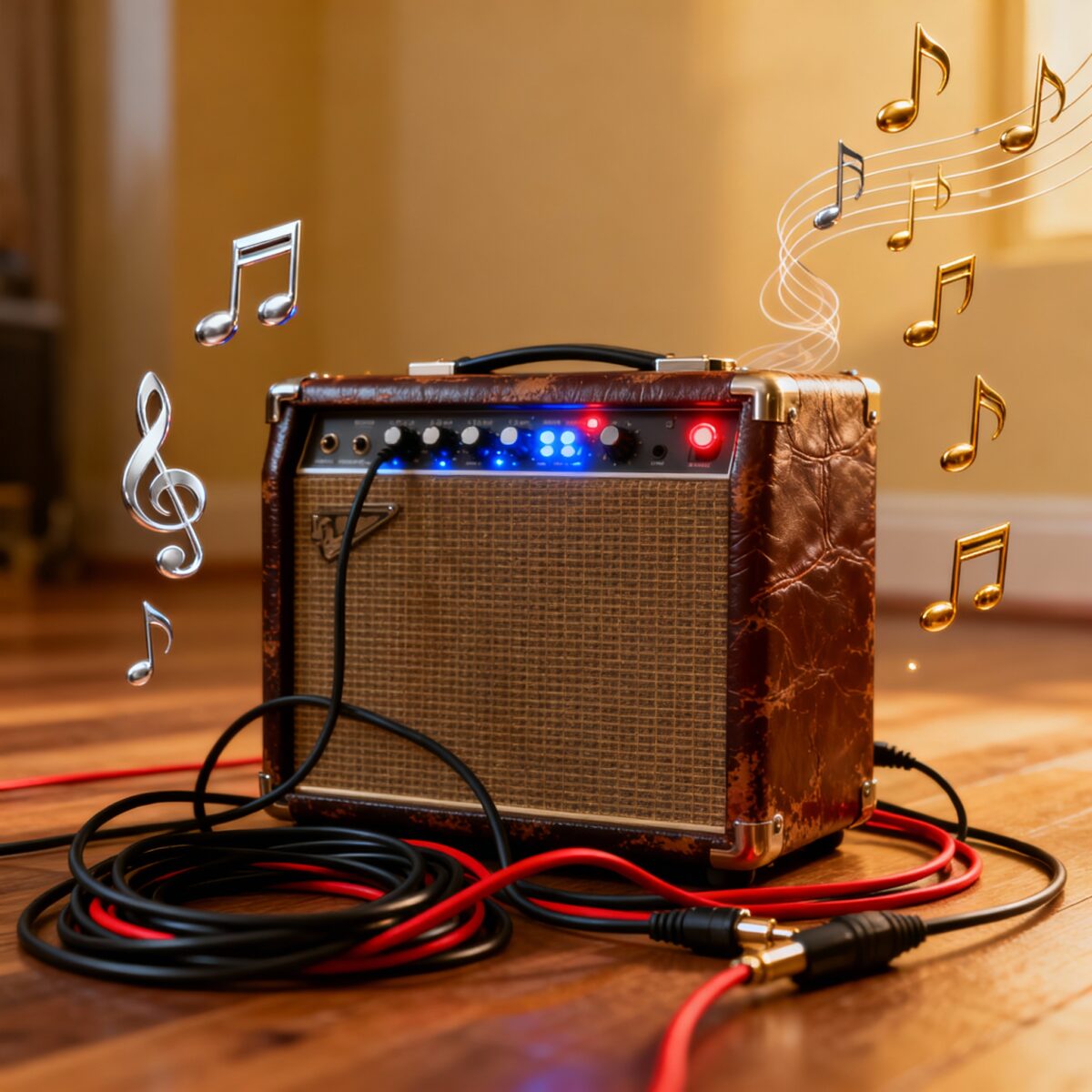
Choosing the right guitar amplifier can completely change how you sound and feel when you play. With so many options available, it might seem overwhelming at first. But don’t worry; by focusing on what really matters for your style and needs, you can find an amp that suits you perfectly. This guide will walk you through the key points so you can pick the best guitar amplifier with confidence.
Understand Your Playing Style and Goals
Before you dive into the technical details, think about what kind of music you want to play and where you will use the amp most often. Do you play at home, in a studio, or on stage? Are you into clean sounds, heavy distortion, or something in between? Knowing this helps narrow down your choices.
If you mostly play at home, a smaller, lower-watt amp might be perfect. These amps are usually lighter and won’t disturb the neighbors. For live performances, you’ll want something louder with more power and better projection. Also, consider whether you want a simple amp to plug in and play or one with lots of built-in effects like reverb and delay.
Know the Types of Guitar Amplifiers
Guitar amps mainly come in three types: tube, solid-state, and hybrid. Each type has its sound and feel.
- Tube Amps: These use vacuum tubes to amplify the sound and are known for warm, rich tones. Many guitarists love how tube amps respond to playing dynamics. They tend to be heavier and require more maintenance but offer a classic sound preferred for blues, rock, and jazz.
- Solid-State Amps: These use transistors instead of tubes. They are typically more affordable, reliable, and lightweight. Solid-state amps deliver a cleaner sound and are great if you want consistency and less upkeep. They work well for beginners and for styles like pop or country.
- Hybrid Amps: Hybrid amps combine tube preamps and solid-state power amps. This means they give you some warmth and character from tubes but keep the reliability and lower cost of solid-state. They can be a good middle ground.
Focus on Power and Size Based on Your Needs
The wattage of the amp tells you how loud it can get. For bedroom playing or practice, 10 to 20 watts is usually enough. These amps still sound great at low volumes, letting you enjoy rich tones.
If you play in a band or small gigs, look for amps between 30 and 50 watts. They are louder and can fill a small venue without needing extra speakers. For larger shows, 50 watts and above will deliver the power you need, and you may also consider external speaker cabinets.
Keep in mind that bigger amps are usually heavier, so if portability is important, try to find a balance between power and weight. Also, look for features like headphone jacks if you want silent practice time.
Pay Attention to Speaker Size and Cabinet Type
The speaker size impacts the tone and volume of your amp. Common sizes are 8, 10, 12, and 15 inches. Larger speakers generally produce more bass and volume, while smaller ones offer tighter lows and more focused mids.
Most guitarists prefer a 12-inch speaker in their amp. It offers a balanced sound good for many music styles. If you like heavy bass tones, a 15-inch speaker might suit you better. Smaller speakers like 8 or 10 inches are often found in portable practice amps.
Cabinet design also matters. Open-back cabinets spread the sound and give a roomy feel, making them popular for clean tones and jazz. Closed-back cabinets focus the sound forward for more punch and are great for rock and heavier styles.
Think About Features and Connectivity
Modern amps have plenty of extra features that can be very useful. Look for built-in effects such as reverb, delay, chorus, or distortion if you want something ready to go without extra pedals. Some amps even include amp modeling technology, giving you many amp tones in one unit.
Connectivity options like USB or AUX inputs let you connect your amp to your computer or phone. This is ideal if you want to record or play along with music. Also, a headphone output is helpful for practicing quietly.
If you plan to use your amp with pedals, check if it has an effects loop. This allows you to place pedals between the preamp and power amp sections for better sound quality.
Consider Your Budget and Longevity
Amplifiers can range widely in price, but remember that expensive doesn’t always mean better for your needs. Choose an amp that fits your budget and covers your basic requirements. If you’re just starting out, a solid-state practice amp can be very affordable and reliable.
Think long term. If you plan to grow as a guitarist, investing in a good tube amp might pay off because of its rich tone and upgrade potential. Buying a used amp from a trusted seller can also be a smart way to get high-quality sound without spending too much.
Try Before You Buy If Possible
Nothing beats testing amps in person. Visit a music store and play through different models. Pay attention to how each amp feels and sounds to you.
Try your own guitar instead of just listening to the store’s demo guitars. This will give you a better idea of how your tone changes with each amp. Also, bring headphones if you want to check practice amps privately.
If you can’t visit in person, look for demo videos online to hear real examples. Reviews and forums from other guitarists can also help guide you.
Easy Maintenance Tips for Your Amplifier
To keep your amp working well, avoid exposing it to moisture or extreme temperatures. Store it in a dry place and unplug it when not in use.
For tube amps, tubes wear out over time and need replacing every few years. Watch for changes in tone or volume, which might signal that tubes need servicing.
Clean the amp’s exterior regularly and keep cables in good condition. Proper care helps you enjoy your amp for many years.
Summary
By knowing your playing style, amp types, power needs, and preferred features, you can select the perfect guitar amplifier. Remember to try different amps, consider your budget, and think about where you will play most. With this knowledge, you’ll find an amp that makes you want to pick up your guitar and play every day.