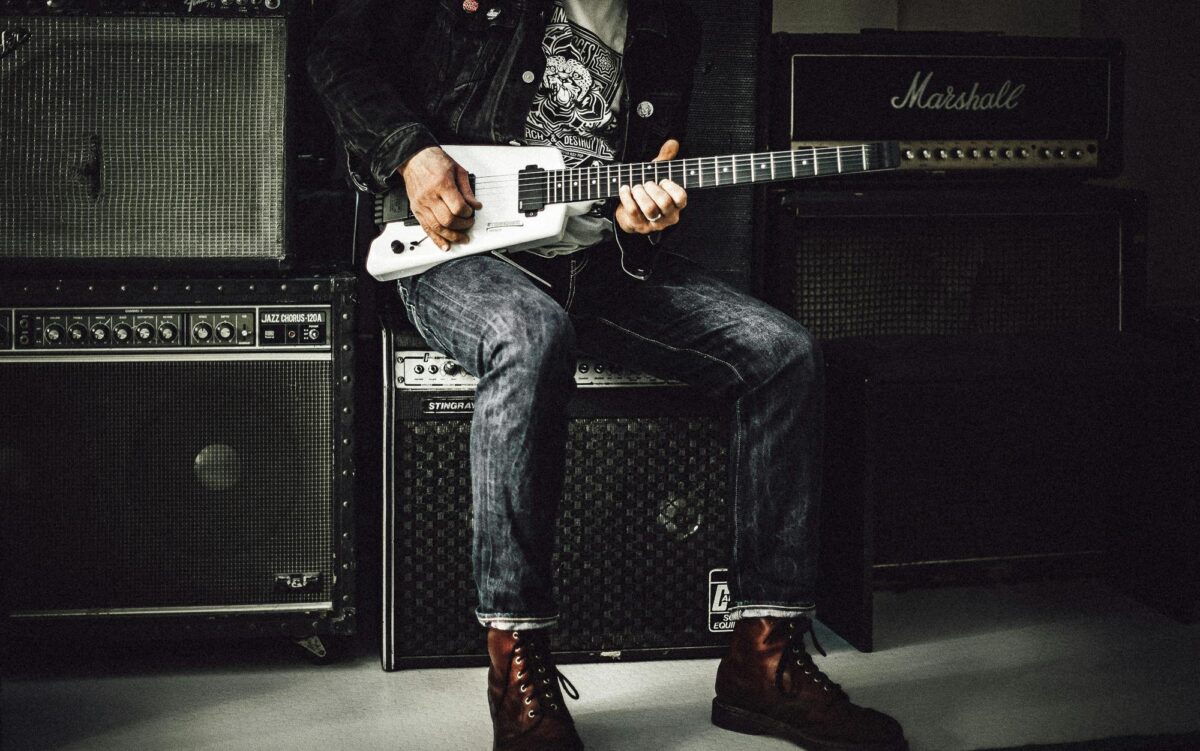
Purchasing a good amplifier (amp) can greatly enhance your audio experience, whether for playing an instrument, enjoying music at home, or for professional sound setups. However, finding the right balance between quality and budget can be daunting. This article will delve into the essential factors to consider when buying an amp and the price ranges you can expect for various types and use cases.
Understanding Amplifier Basics
An amplifier, or “amp,” boosts weak audio signals to levels that can drive speakers or headphones, delivering clearer and more robust sound. Amps are vital for musicians, audiophiles, and anyone serious about audio quality.
1. Types of Amplifiers
- Guitar and Bass Amps: Used by musicians to amplify electric guitars and basses.
- Home Audio Amps: Integrated amps for stereo systems or home theater setups.
- Headphone Amps: Enhance the sound quality for high-impedance headphones.
- Power Amps: Used in professional settings, often paired with a preamp.
Key Factors Influencing Amp Prices
Several factors affect how much you should be willing to spend on an amplifier. Understanding these can help determine what suits your budget and needs:
1. Type and Application
- Guitar and Bass Amps: Basic practice amps can start as low as $50, while high-quality tube amps for professional use can range from $1,000 to $2,500.
- Home Audio Amps: Entry-level home audio amps might cost around $150-$300, whereas high-fidelity models can run upwards of $5,000 for premium audiophile quality.
- Headphone Amps: Simple portable headphone amps can start at $20-$50, while desktop models with advanced features range from $100 to $2,000.
2. Technology and Build Quality
- Solid-State vs. Tube Amps: Tube amplifiers often deliver warmer sound but are more expensive, starting at about $500. Solid-state amps are generally more budget-friendly and durable, priced from $100 to $1,500.
- Hand-Wired vs. PCB (Printed Circuit Board): Hand-wired amps offer better craftsmanship and are generally priced higher, starting from $800.
3. Brand Reputation
Premium brands often come at a higher price due to their established reputation for quality, durability, and sound precision. Renowned brands include:
- Guitar Amps: Marshall, Fender, and Vox.
- Home Audio Amps: Marantz, NAD, and Denon.
- Headphone Amps: Schiit Audio and FiiO.
Price Ranges for Different Amp Categories
1. Guitar and Bass Amplifiers
- Beginner Models: Affordable solid-state practice amps can be found for $50-$200 (e.g., Fender Frontman).
- Intermediate Models: Combo amps with more features for stage use range from $300-$800 (e.g., Boss Katana series).
- Professional Grade: High-quality tube amps start at $1,000 and can go beyond $2,500 (e.g., Marshall JCM800).
2. Home Audio Amplifiers
- Entry-Level Stereo Amps: Basic integrated amplifiers like those from Yamaha or Denon cost between $150-$500.
- Mid-Range Audio Enthusiast Models: Expect to pay $500-$1,500 for better soundstage and power (e.g., Cambridge Audio CXA81).
- High-End Audiophile Amps: These can range from $2,000 to $10,000 (e.g., McIntosh MA252).
3. Headphone Amplifiers
- Portable Options: For on-the-go use, prices start at $20 for basic models (e.g., FiiO A1).
- Desktop Headphone Amps: Dedicated audiophile-grade amps can range from $100 to $2,000 (e.g., Chord Mojo 2).
What to Look for in a Good Amp
1. Sound Quality
Ensure that the amp produces clear sound across different volume levels. Check for warm tones in tube amps and precise, sharp output in solid-state models.
2. Power Output
- Wattage: For home use, amps with 20-50 watts are sufficient. Professional gigs may require amps with 100+ watts.
- Headroom: Higher headroom means better sound clarity at high volumes.
3. Features and Connectivity
- Built-in Effects: Look for amps that come with reverb, delay, or modulation effects if needed.
- Bluetooth and Smart Capabilities: Modern amps often include Bluetooth streaming and app controls, adding convenience but potentially increasing the price.
Budgeting Tips for Buyers
1. New vs. Used Amps
Purchasing a used amplifier can save up to 40%-60% compared to new models. Websites like Reverb and Guitar Center’s used section offer reliable options with user reviews and return policies.
2. Set Realistic Expectations
Your budget should reflect your needs:
- Hobbyist: $50-$300 for an entry-level amp.
- Amateur Performer: $300-$800 for a quality combo amp.
- Professional: $1,000 and above for premium builds and tonal excellence.
3. Maintenance Costs
Factor in potential maintenance costs, especially for tube amps that require tube replacements and recalibration over time.
Top Recommendations by Category
1. Guitar Amps
- Budget-Friendly: Fender Champion 20 ($130)
- Mid-Tier: Vox AC15 ($750)
- High-End: Fender ’65 Twin Reverb ($1,500)
2. Home Audio Amps
- Entry-Level: Yamaha R-S202BL ($180)
- Audiophile Grade: NAD C 399 ($2,000)
3. Headphone Amps
- Affordable: Schiit Magni 3+ ($99)
- Premium: Chord Hugo 2 ($2,500)
Determining how much you should pay for a good amp depends on your specific needs, usage, and preferences. Beginners can find great options for under $200, while professionals may need to budget over $1,000 for premium sound quality and features. Always balance cost with quality, and remember that an amp’s longevity and sound performance often justify higher investments.