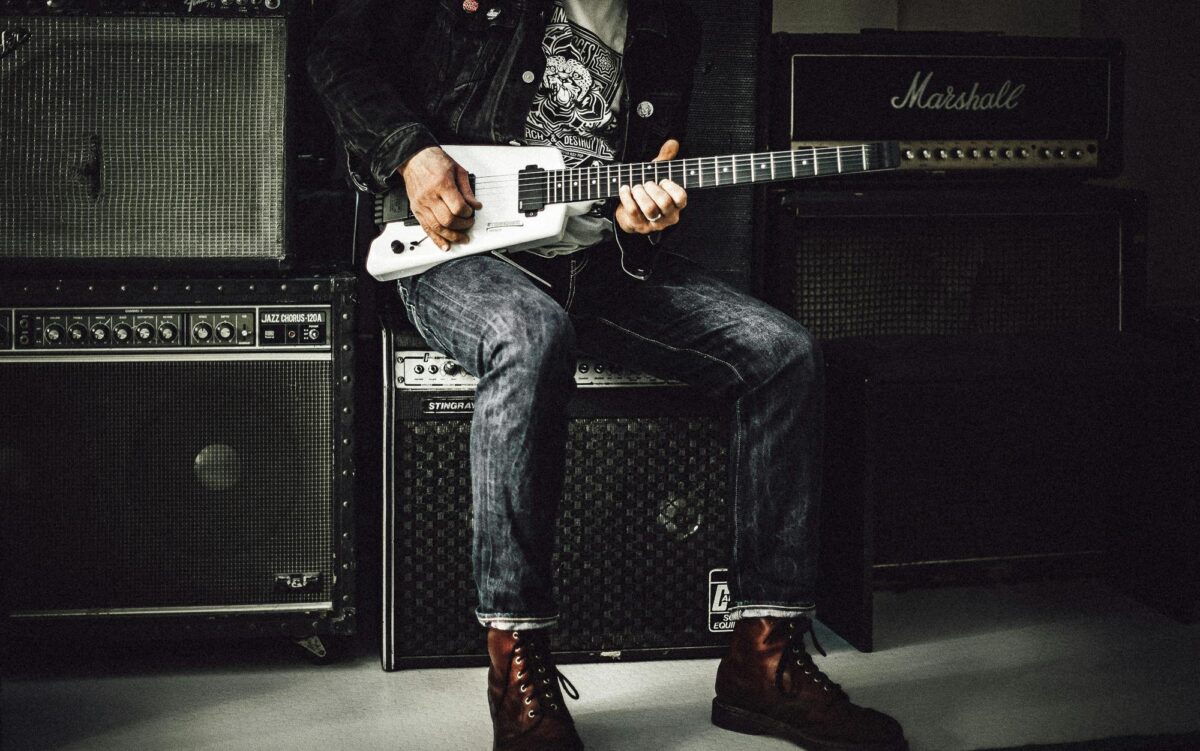
Tube Amps vs. Solid State: Which Sounds Better for You?

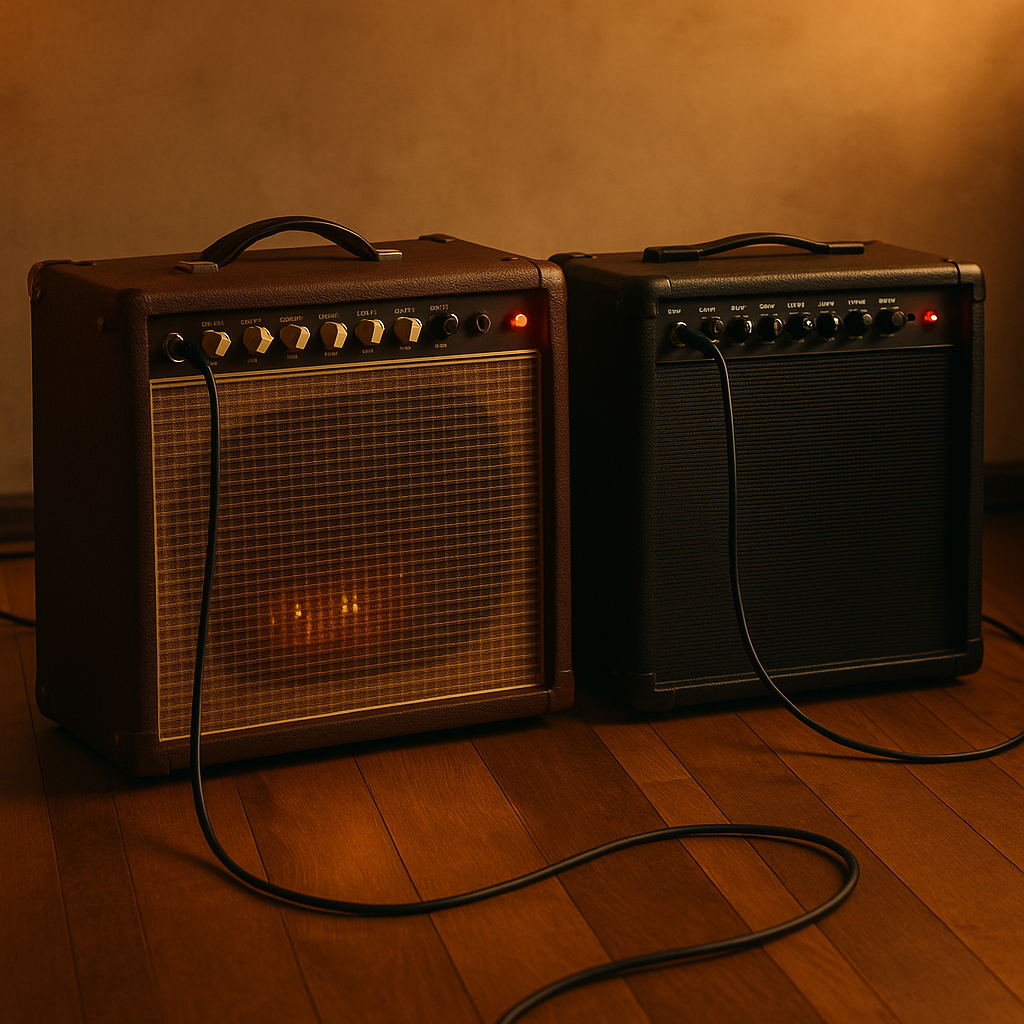
You’ve probably heard guitarists passionately debate tube amps versus solid state. It’s not about one being universally “better”—it’s about what suits your style, budget, and preferences. Tube amps use vacuum tubes to shape sound, creating warm, dynamic tones that respond to your playing. Solid state amps rely on transistors and circuits, delivering clean, consistent sound at any volume. Both excel in different scenarios, and your choice depends on what you value most: vintage warmth or modern reliability. Let’s break it down so you can decide what’s right for your sound.

Sound Quality: Feel the Difference

Tube amps give you that classic, harmonically rich tone. Crank the volume, and they distort musically—like a smooth breakup that adds soul to blues or rock solos. They respond to your touch; dig in hard, and the sound growls. Play softly, and it stays clean. This dynamic feel makes every note feel alive and emotional, perfect when you want your playing to express nuance.

Solid state amps keep things crisp and clear. Even at max volume, you get zero natural distortion—ideal for jazz, metal, or keyboards where note clarity matters. They’re consistent: your tone stays the same whether you’re practicing quietly or gigging loudly. No surprises, just precision across all frequencies.

Practical Perks: Maintenance, Cost, and Features

Tube amps need more love. Tubes wear out and must be replaced every few years. They’re fragile (glass tubes break!) and pricier upfront. But many players swear it’s worth it for that organic sound.

Solid state amps win for hassle-free use. No tubes to replace means lower long-term costs. They’re tougher for gigging and often cheaper upfront. Plus, you get built-in extras like effects, EQ controls, or multiple channels. Want heavy distortion at bedroom volume? Solid state nails it.

Which Genres and Players Shine?

  • Tube amps are the darlings of blues, classic rock, and indie. If you crave touch-sensitive dynamics and “vintage vibe,” tubes deliver.
  • Solid state amps suit metal, jazz, or pop players. Need crystal-clear chords or tight distortion? Solid state keeps every note articulate.

The Verdict

Try both if you can. Love responsive, warm, organic sound? A tube amp might be your soulmate. Prefer reliability, affordability, and pristine clarity? Go solid state. Your playing style—not myths—should guide you. After all, great tone comes from your fingers, not just your amp.

What Is the Most Famous Amp of All Time?

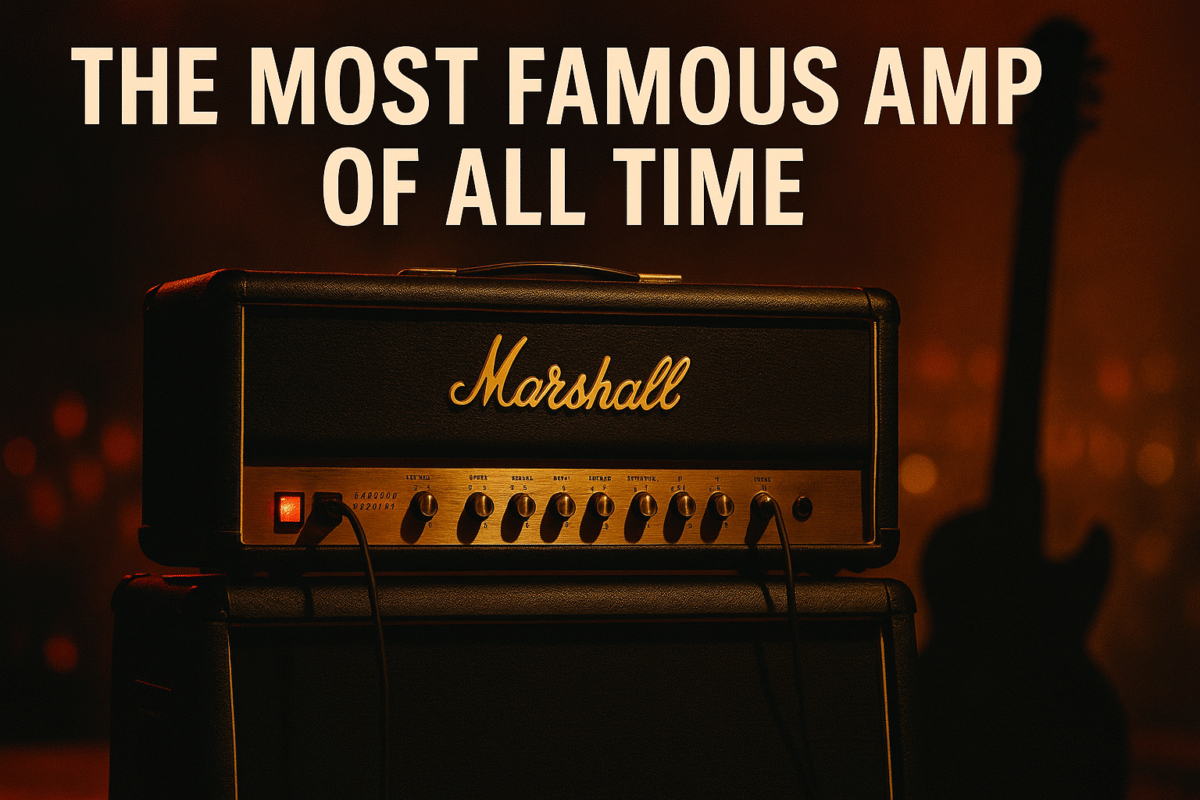
If you’ve ever wondered what the most famous amp of all time is, you’re in good company. Guitarists, music lovers, and gearheads have asked this question for decades. The answer isn’t as simple as naming a single model, but one amplifier consistently rises to the top of every list: the Marshall 1959 Super Lead 100 Watt Plexi. Let’s take a journey through the world of legendary amps, discover what makes the Plexi so iconic, and see how it compares to other famous contenders.


The Marshall 1959 Super Lead 100 Watt Plexi

You can’t talk about famous guitar amps without mentioning the Marshall 1959 Super Lead, affectionately known as the “Plexi.” This amp isn’t just a piece of gear—it’s a cornerstone of rock history. Introduced in 1965, the 1959 Super Lead was designed for power, clarity, and the kind of raw energy that could fill stadiums. Its name comes from its Plexiglass faceplate, and its reputation comes from the legendary artists who made it their weapon of choice.

Why the Plexi Stands Out

  • Unmatched Power: With 100 watts of searing tube-driven energy, the Plexi was built to be loud. This amp doesn’t just play music—it roars, making it perfect for live performances in big venues.
  • Signature Sound: The Plexi’s sound is instantly recognizable. It’s punchy, dynamic, and has a growl that defined classic rock. Plug in a guitar, crank up the volume, and you’ll hear the unmistakable crunch that changed music forever.
  • Legendary Players: Jimi Hendrix, Eric Clapton, Pete Townshend, Angus Young, and Jimmy Page all relied on the Plexi to create their signature sounds. Hendrix’s performance at Woodstock? That was the Plexi in action.
  • Stacked for Success: The Plexi is famous for being paired with Marshall 4×12 cabinets, creating the iconic “Marshall Stack.” This setup became the visual and sonic symbol of rock concerts everywhere.

The Plexi’s Lasting Legacy

The Marshall 1959 Super Lead didn’t just shape the sound of rock—it helped define the very idea of what a guitar amp could be. Its influence is still felt today, with countless reissues and modern amps trying to capture its magic.


Other Legendary Amps That Made History

While the Marshall Plexi often takes the crown, it’s not the only amp to achieve legendary status. Let’s look at a few other icons that have left their mark on music.

Fender Twin Reverb

If you crave sparkling clean tones, the Fender Twin Reverb is your dream amp. Introduced in 1963, it became the go-to for countless genres, from rock and blues to country and jazz. Its two 12-inch speakers and built-in reverb and tremolo effects made it a favorite for guitarists who wanted clarity and versatility.

  • Crystal Clear Sound: The Twin Reverb is famous for its clean, powerful tone. It’s the amp you want when you need every note to ring out with perfect clarity.
  • Used by Legends: Stevie Ray Vaughan, Jimi Hendrix, and Eric Clapton all used the Twin Reverb to craft their signature sounds.
  • Stage Presence: Its silverface and blackface designs are instantly recognizable on stages worldwide.

Vox AC30

The Vox AC30 is synonymous with the British Invasion. Designed in the late 1950s, it became the sound of The Beatles, The Rolling Stones, and Queen. Its chimey, jangly tone is perfect for pop, rock, and anything that needs a touch of vintage flair.

  • Unique Tone: The AC30 delivers a bright, articulate sound with a signature “top boost” that cuts through any mix.
  • Beatles Approved: The Beatles used the AC30 on many of their early recordings, helping to make it a household name.
  • Still in Demand: Modern players love the AC30 for its classic sound and reliability.

Fender Deluxe 5E3 “Tweed”

The Fender Deluxe 5E3, especially the “Tweed” models from the 1950s, is another amp that’s earned a place in history. Known for its warm, saturated tone and touch sensitivity, it’s beloved by blues and rock guitarists alike.

  • Dynamic Response: The 5E3’s circuit allows for sweet, harmonically rich overdrive that responds beautifully to your playing style.
  • Used by Greats: Neil Young, Billy Gibbons, and Mark Knopfler are just a few of the artists who’ve relied on the 5E3 for its unique sound.

What Makes an Amp “Famous”?

You might wonder what it takes for an amp to become truly famous. It’s not just about how many units were sold or how many artists used it. The most famous amps have a few things in common:

  • Iconic Sound: They have a signature tone that stands out in recordings and live performances.
  • Influence: They helped shape the sound of entire genres.
  • Endorsement: Legendary musicians used them to create unforgettable music.
  • Longevity: Decades after their release, they’re still in demand and often reissued.

The Marshall 1959 Super Lead 100 Watt Plexi checks all these boxes and then some. It’s the amp that defined the sound of rock and roll and continues to inspire guitarists around the world.


The Most Famous Amp of All Time

So, what’s the final answer? If you’re looking for the amp that’s most synonymous with rock history, stage presence, and legendary tone, the Marshall 1959 Super Lead 100 Watt Plexi stands alone at the top. Its unmistakable sound, iconic design, and association with some of the greatest guitarists of all time make it the most famous amp ever built.

That said, the Fender Twin Reverb and Vox AC30 aren’t far behind. Each has its own legion of fans and a unique place in music history. But when you picture a wall of amps behind a rock legend, chances are you’re picturing a Marshall Plexi stack.


Why the Plexi Still Matters Today

You might think that with all the advances in technology, classic amps like the Plexi would fade into obscurity. The opposite is true. Modern guitarists still seek out vintage Plexis and their reissues, chasing that legendary tone that shaped the sound of rock. Whether you’re a hobbyist or a professional, plugging into a Plexi connects you to a lineage of musical greatness.

  • Reissues and Modern Versions: Marshall continues to produce reissues of the 1959 Super Lead, keeping the spirit of the original alive for new generations.
  • Influence on Modern Amps: Many boutique and mainstream amp builders try to capture the magic of the Plexi in their own designs, but there’s nothing quite like the real thing.

The Amp That Changed Everything

If you ever get the chance to play through a Marshall 1959 Super Lead 100 Watt Plexi, don’t pass it up. You’ll understand why it’s the most famous amp of all time as soon as you hit your first chord. The roar, the feel, and the history all come together in one unforgettable experience.

So, next time someone asks you about the most famous amp ever, you can answer with confidence: it’s the Marshall 1959 Super Lead 100 Watt Plexi—the amp that made rock and roll louder, prouder, and more legendary than ever before
How Much Should I Pay for a Good Amp?

Purchasing a good amplifier (amp) can greatly enhance your audio experience, whether for playing an instrument, enjoying music at home, or for professional sound setups. However, finding the right balance between quality and budget can be daunting. This article will delve into the essential factors to consider when buying an amp and the price ranges you can expect for various types and use cases.


Understanding Amplifier Basics

An amplifier, or “amp,” boosts weak audio signals to levels that can drive speakers or headphones, delivering clearer and more robust sound. Amps are vital for musicians, audiophiles, and anyone serious about audio quality.

1. Types of Amplifiers

  • Guitar and Bass Amps: Used by musicians to amplify electric guitars and basses.
  • Home Audio Amps: Integrated amps for stereo systems or home theater setups.
  • Headphone Amps: Enhance the sound quality for high-impedance headphones.
  • Power Amps: Used in professional settings, often paired with a preamp.

Key Factors Influencing Amp Prices

Several factors affect how much you should be willing to spend on an amplifier. Understanding these can help determine what suits your budget and needs:

1. Type and Application

  • Guitar and Bass Amps: Basic practice amps can start as low as $50, while high-quality tube amps for professional use can range from $1,000 to $2,500.
  • Home Audio Amps: Entry-level home audio amps might cost around $150-$300, whereas high-fidelity models can run upwards of $5,000 for premium audiophile quality.
  • Headphone Amps: Simple portable headphone amps can start at $20-$50, while desktop models with advanced features range from $100 to $2,000.

2. Technology and Build Quality

  • Solid-State vs. Tube Amps: Tube amplifiers often deliver warmer sound but are more expensive, starting at about $500. Solid-state amps are generally more budget-friendly and durable, priced from $100 to $1,500.
  • Hand-Wired vs. PCB (Printed Circuit Board): Hand-wired amps offer better craftsmanship and are generally priced higher, starting from $800.

3. Brand Reputation

Premium brands often come at a higher price due to their established reputation for quality, durability, and sound precision. Renowned brands include:

  • Guitar Amps: Marshall, Fender, and Vox.
  • Home Audio Amps: Marantz, NAD, and Denon.
  • Headphone Amps: Schiit Audio and FiiO.

Price Ranges for Different Amp Categories

1. Guitar and Bass Amplifiers

  • Beginner Models: Affordable solid-state practice amps can be found for $50-$200 (e.g., Fender Frontman).
  • Intermediate Models: Combo amps with more features for stage use range from $300-$800 (e.g., Boss Katana series).
  • Professional Grade: High-quality tube amps start at $1,000 and can go beyond $2,500 (e.g., Marshall JCM800).

2. Home Audio Amplifiers

  • Entry-Level Stereo Amps: Basic integrated amplifiers like those from Yamaha or Denon cost between $150-$500.
  • Mid-Range Audio Enthusiast Models: Expect to pay $500-$1,500 for better soundstage and power (e.g., Cambridge Audio CXA81).
  • High-End Audiophile Amps: These can range from $2,000 to $10,000 (e.g., McIntosh MA252).

3. Headphone Amplifiers

  • Portable Options: For on-the-go use, prices start at $20 for basic models (e.g., FiiO A1).
  • Desktop Headphone Amps: Dedicated audiophile-grade amps can range from $100 to $2,000 (e.g., Chord Mojo 2).

What to Look for in a Good Amp

1. Sound Quality

Ensure that the amp produces clear sound across different volume levels. Check for warm tones in tube amps and precise, sharp output in solid-state models.

2. Power Output

  • Wattage: For home use, amps with 20-50 watts are sufficient. Professional gigs may require amps with 100+ watts.
  • Headroom: Higher headroom means better sound clarity at high volumes.

3. Features and Connectivity

  • Built-in Effects: Look for amps that come with reverb, delay, or modulation effects if needed.
  • Bluetooth and Smart Capabilities: Modern amps often include Bluetooth streaming and app controls, adding convenience but potentially increasing the price.

Budgeting Tips for Buyers

1. New vs. Used Amps

Purchasing a used amplifier can save up to 40%-60% compared to new models. Websites like Reverb and Guitar Center’s used section offer reliable options with user reviews and return policies.

2. Set Realistic Expectations

Your budget should reflect your needs:

  • Hobbyist: $50-$300 for an entry-level amp.
  • Amateur Performer: $300-$800 for a quality combo amp.
  • Professional: $1,000 and above for premium builds and tonal excellence.

3. Maintenance Costs

Factor in potential maintenance costs, especially for tube amps that require tube replacements and recalibration over time.


Top Recommendations by Category

1. Guitar Amps

  • Budget-Friendly: Fender Champion 20 ($130)
  • Mid-Tier: Vox AC15 ($750)
  • High-End: Fender ’65 Twin Reverb ($1,500)

2. Home Audio Amps

  • Entry-Level: Yamaha R-S202BL ($180)
  • Audiophile Grade: NAD C 399 ($2,000)

3. Headphone Amps

  • Affordable: Schiit Magni 3+ ($99)
  • Premium: Chord Hugo 2 ($2,500)

Determining how much you should pay for a good amp depends on your specific needs, usage, and preferences. Beginners can find great options for under $200, while professionals may need to budget over $1,000 for premium sound quality and features. Always balance cost with quality, and remember that an amp’s longevity and sound performance often justify higher investments.