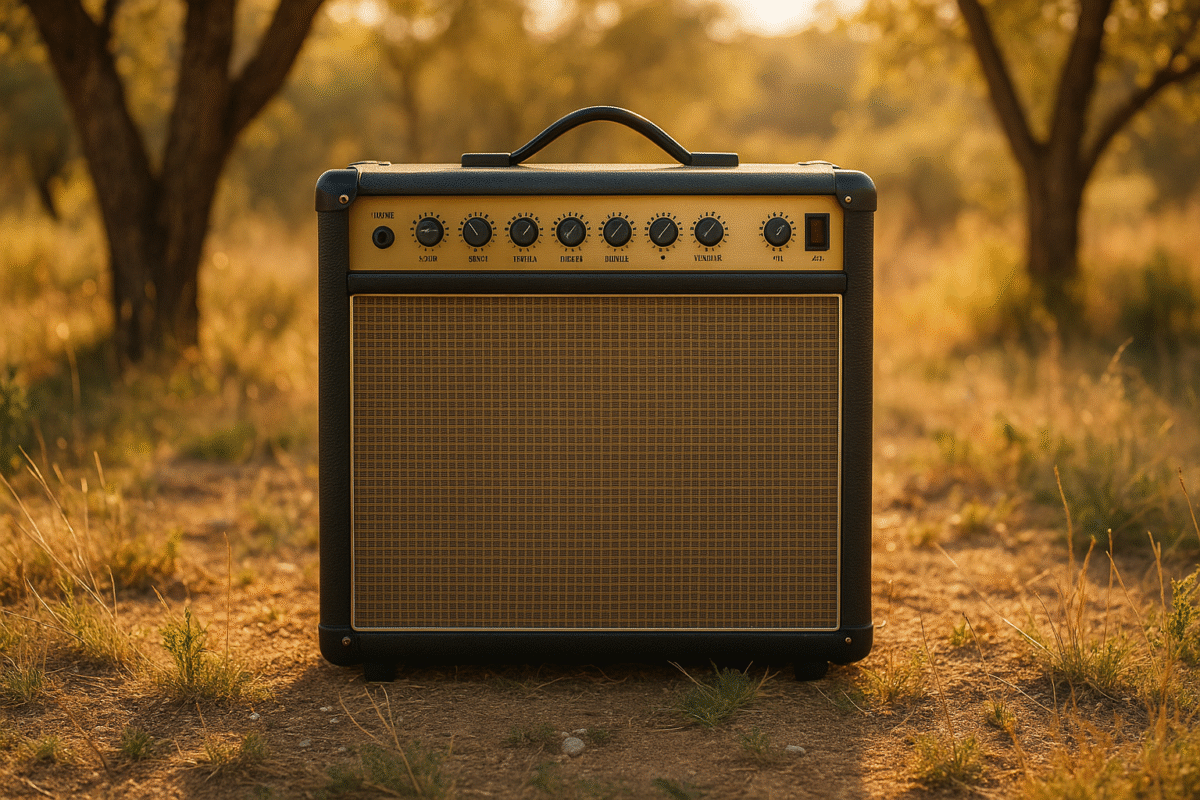
Choosing the right amp for your guitar can feel like walking into a candy store with endless options—exciting but a little overwhelming. Whether you’re a beginner, a bedroom rocker, or a gigging musician, the right amp will help you shape your sound, match your style, and inspire you to play more. So, how do you know what amp to get for your guitar? Let’s break it down in a way that’s easy, practical, and tailored to what you actually need.
Understanding the Basics: What Does a Guitar Amp Do?
A guitar amp is more than just a speaker—it’s the heart of your electric guitar setup. It takes the signal from your guitar, shapes the tone, and projects your sound so you can hear it (and so can everyone else). There are a few main types of amps, each with their own strengths:
- Combo amps: These combine the amplifier and speaker in one box. They’re easy to use and portable, making them a favorite for beginners and home players.
- Amp heads and cabinets: The head contains the electronics, and the cabinet houses the speakers. This setup is more customizable and powerful, great for gigging and pro players.
- Modeling amps: These use digital technology to emulate the sounds of many classic amps. They’re versatile and packed with features, perfect if you want variety without a pedalboard full of effects.
1. Match Your Amp to Your Playing Situation
Before you get dazzled by knobs and glowing tubes, ask yourself: where will you be playing most?
Playing at Home
If you’re mostly practicing at home, you don’t need a massive amp. In fact, a small amp (under 20 watts) is perfect. These amps are quiet enough for apartments, won’t annoy your neighbors, and still give you great tone at low volumes. Many small amps also have headphone jacks, so you can practice in silence.
Jamming With Friends or Small Gigs
If you’re playing with a band or at open mics, you’ll want a bit more power. Amps in the 20-50 watt range are loud enough for rehearsals and small venues but still manageable to carry around.
Playing Large Venues
If you’re performing on big stages, you’ll need an amp with at least 50 watts (or more) to cut through the mix. At this level, many players use separate heads and cabinets for more volume and flexibility.
2. Think About Your Music Style
Your amp should complement the kind of music you love to play. Here’s how different amp types match up with popular genres:
| Genre | Amp Type | Why It Works |
|---|---|---|
| Blues | Tube/Valve Amp | Warm, dynamic, easy to push into natural overdrive |
| Rock | Tube or Solid-State | Versatile, good clean and overdrive channels |
| Metal | High-Gain Solid-State/Modeling | Aggressive distortion, tight low-end |
| Jazz | Clean Solid-State | Pristine, clear tones with lots of headroom |
- Tube (Valve) Amps: Famous for their warm, organic sound and natural overdrive. They’re a favorite for blues, classic rock, and jazz, but require more maintenance and are heavier to carry.
- Solid-State Amps: Reliable, affordable, and lighter than tube amps. They’re great for clean tones and work well for jazz, pop, and practice.
- Modeling Amps: Perfect if you want a huge range of sounds, from sparkling cleans to heavy metal distortion, all in one box.
3. Consider Features and Controls
Modern amps come loaded with features. Here’s what to look for:
- Built-in Effects: Many amps offer reverb, delay, chorus, and more. If you’re just starting out, built-in effects let you experiment without buying pedals.
- EQ Controls: Most amps have bass, mid, and treble knobs. These help you shape your sound to fit your guitar and playing environment.
- Presence Control: Adjusts the brightness and clarity of your sound, handy for fine-tuning.
- Aux Inputs and Headphone Jacks: Useful for practicing along with backing tracks or playing quietly at night.
- Portability: If you’re on the move, look for lightweight amps with sturdy handles and durable construction.
4. Decide on the Right Size and Power
Amp size isn’t just about volume—it also affects your tone and how your guitar interacts with the amp.
- Small Amps (1-15 watts): Great for home use, practice, and recording. They often sound great at lower volumes and are easy to carry.
- Medium Amps (15-50 watts): Good for rehearsals, small gigs, and players who want a bit more headroom before the sound distorts.
- Large Amps (50+ watts): Essential for big venues, loud bands, or if you need lots of clean volume. These amps are heavier and more expensive, but they deliver serious power.
Speaker size also matters. Smaller speakers (8-10 inches) give a brighter, more focused sound, while larger speakers (12 inches or more) produce fuller, bass-rich tones.
5. Set Your Budget
Amps come in all price ranges. Solid-state amps are generally more affordable, while tube amps and high-end modeling amps can be pricier. As a beginner, you don’t need to spend a fortune—there are excellent budget amps that sound great and offer plenty of features.
If you’re more advanced or want an amp that will last for years, investing in a higher-quality model can be worth it. Remember, the most expensive amp isn’t always the best for your needs.
6. Try Before You Buy
If possible, visit a music store and try out a few amps with your guitar. Listen for how the amp responds to your playing, how easy it is to use, and whether you like the sound. Don’t be afraid to ask questions or get advice from store staff or experienced friends.
7. Top Picks for Beginners and Beyond
Here are some amps that consistently get high marks for quality, value, and versatility:
- Fender Champion II: Super versatile, easy to use, and packed with built-in effects. Available in different wattages to suit any situation. Great for beginners and intermediate players who want a reliable, all-purpose amp.
- Vox Pathfinder 10: Simple, lightweight, and delivers classic Vox tones. Perfect for practice and learning, with just enough features to keep things interesting.
- VISION 10W Electric Guitar Amplifier: Affordable, straightforward, and covers all the basics for new players.
These amps are known for their reliability, sound quality, and user-friendly controls. They’re a great starting point for most guitarists.
8. Common Mistakes to Avoid
- Buying Too Much Amp: Don’t get a huge, high-wattage amp if you’re only playing at home. You’ll never get to turn it up, and it might sound worse at low volumes.
- Ignoring Your Music Style: Make sure the amp can deliver the tones you want for your favorite genres.
- Overlooking Features: Think about what you’ll actually use. If you love experimenting with sounds, modeling amps or amps with built-in effects are a good choice.
- Forgetting Portability: If you’ll be carrying your amp around, choose something lightweight and durable.
- Not Trying Before Buying: Sound and feel are personal—test amps in person if you can.
9. Quick Checklist: How to Choose Your Guitar Amp
- Where will you be playing (home, rehearsal, gigs)?
- What style of music do you play most?
- Do you want clean tones, distortion, or both?
- Do you need built-in effects?
- How much can you carry (and store)?
- What’s your budget?
- Can you try it before you buy?
The Right Amp Inspires You to Play
The perfect amp is the one that makes you want to pick up your guitar and play every day. It should fit your space, match your style, and help you sound your best—without making things complicated. Whether you’re just starting out or leveling up your rig, keep your needs in mind, listen with your ears, and trust your instincts.
Remember, you can always upgrade or add pedals later. Start with an amp that feels right for you, and let your playing (and your ears) guide you as you grow as a guitarist.
Happy playing, and may your next amp bring you hours of musical joy!