What Are the Different Types of Amps? A Clear, Helpful Guide for Beginners

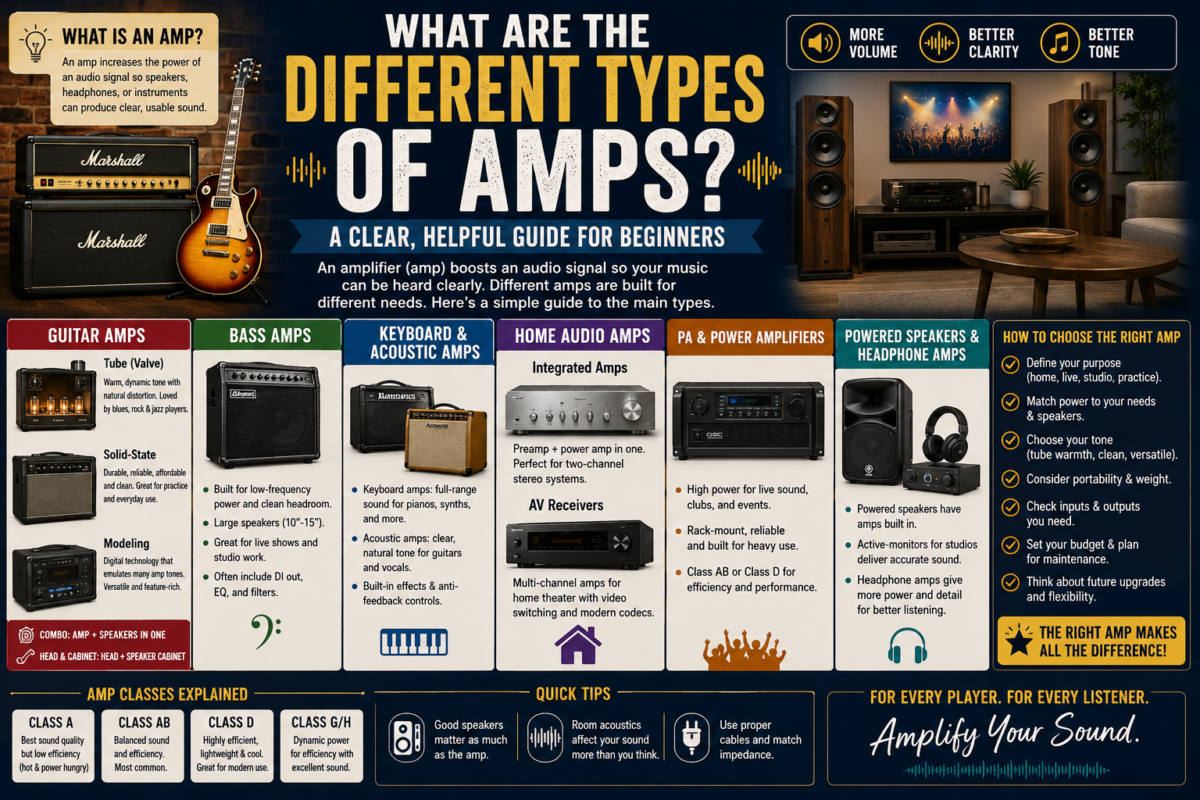
If you’ve ever shopped for audio gear, watched musicians set up at a gig, or tried to upgrade your home sound system, you’ve probably run into the term “amp” a lot. Short for amplifier, an amp takes a small audio signal and boosts it so speakers, headphones, or instruments can be heard clearly. But not all amps are the same — they come in different designs, sizes, and purposes. This guide explains the main types of amplifiers, what each one does, and how to choose the right amp for your needs. It’s written simply, with a light tone, and focused on answering the questions people ask when searching for informational help.

What is an amplifier and why does it matter?

An amplifier increases the power of an audio signal. Without adequate amplification, sound from a guitar, microphone, or audio player would be too quiet to be useful. Amps influence volume, clarity, tonal character, and how well speakers perform. Different amps are optimized for different tasks — instrument performance, home listening, studio recording, or live sound reinforcement.

Broad categories: analog vs. digital, integrated vs. separate

Before diving into the specific amp types, it helps to understand two basic contrasts:

  • Analog vs. digital: Analog amps use continuous electrical signals and traditional circuitry (tubes or transistors). Digital amps (also called class-D or modeling amps) use digital processing and can be highly efficient and feature-rich.
  • Integrated vs. separate: An integrated amp combines a preamplifier and power amplifier in one box (common in home audio). In professional or hi-fi setups, preamps and power amps are often separate units to provide more control and upgrade flexibility.

Now let’s look at the specific types you’ll encounter.

  1. Guitar amps — tube (valve), solid-state, and modeling
    Guitar amps are a world on their own because players want tone as much as volume.
  • Tube (valve) amps: These use vacuum tubes to amplify the signal. They’re prized for warm, natural-sounding distortion, smooth dynamics, and pleasing harmonic overdrive when pushed. Many blues, rock, and jazz players prefer tube amps for their musical response. Downsides: heavier, require maintenance, can be expensive.
  • Solid-state amps: Use transistor-based circuitry. They’re durable, lighter, more affordable, and require less upkeep. Solid-state amps are often cleaner and more consistent, though earlier designs were criticized for sounding “sterile.” Modern solid-state units can be excellent and are commonly used for practice and budget-conscious players.
  • Modeling amps: Use digital signal processing (DSP) to emulate the sounds of many classic amps and effects. They’re versatile, compact, and ideal for players who need dozens of tones without hauling multiple amps. Modeling amps are popular for home practice, studio work, and versatile gigging. Examples include combos and amp heads with onboard presets and USB connectivity.

Common formats

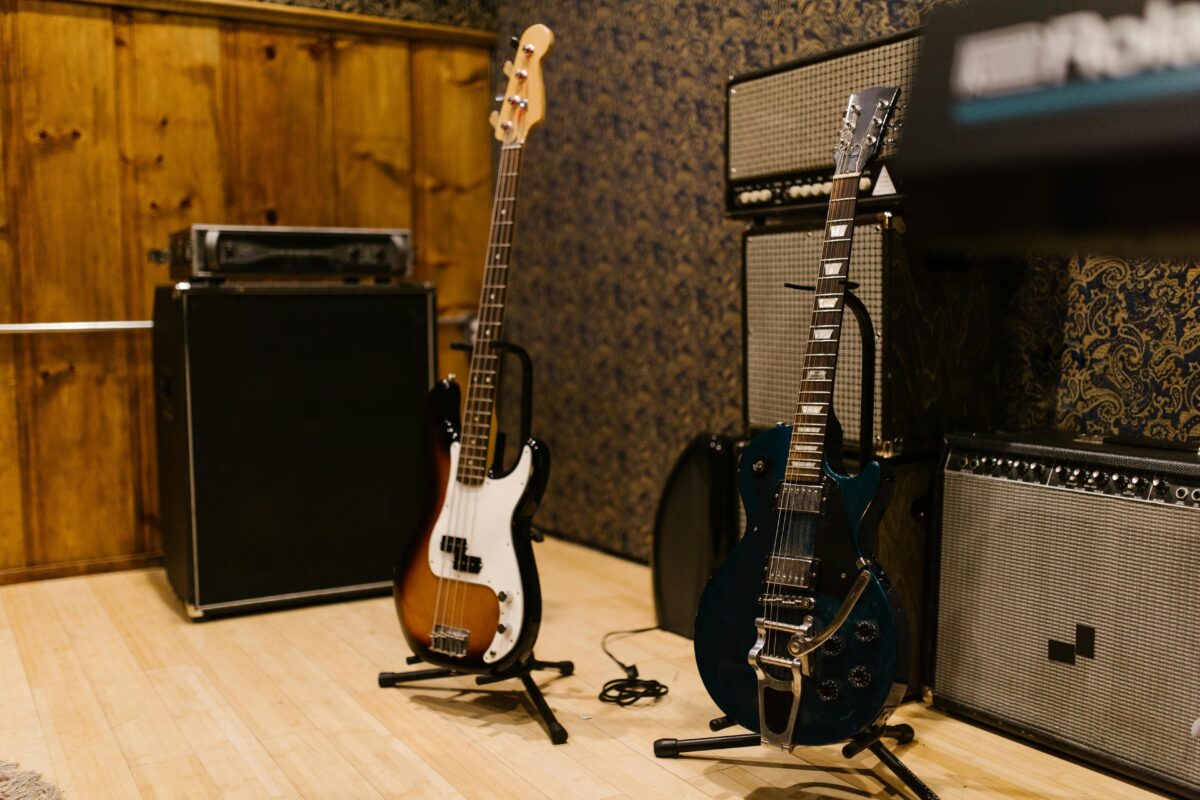
  • Combo amps: Amp and speaker(s) in one enclosure. Portable and popular for practice and small gigs.
  • Amp heads and cabinets: Head contains the electronics; cabinet holds the speakers. Preferred for stage flexibility and larger setups.
  1. Bass amps
    Bass amplifiers are designed to handle low-frequency content and typically emphasize clean headroom and power rather than distortion.
  • Bass combo and head/cabinet systems: Similar in form to guitar amps but engineered for deep lows and high-power delivery. They often have larger speakers (10–15 inches), EQ suited to bass frequencies, and strong low-end response.
  • Amp features: Compression, notch filters, and DI outputs for sending a clean signal to the PA or recording interface.
  1. Instrument amplifiers beyond guitar and bass
    Amps tailored for keyboards, acoustic guitars, and orchestral instruments address specific needs:
  • Keyboard amps: Full-range speakers and flat frequency response to reproduce synths, pianos, and sample-based sounds accurately. They often include multiple inputs and effects loops.
  • Acoustic amps: Designed to reproduce the natural tone of acoustic guitars and voices with clarity. Many include anti-feedback controls, built-in effects (reverb), and a mix channel for vocals.
  • Acoustic-electric combos: Combine mic/line inputs, EQ, and sometimes a small PA-like functionality for singer-songwriters.
  1. Home audio amplifiers — integrated, stereo, and AV receivers
    Home audio amps aim for accurate music reproduction and ease of use.
  • Integrated amplifiers: Combine preamp and power amp sections in one chassis. They feed passive speakers and usually include volume, tone controls, source switching, and sometimes phono inputs for turntables. Ideal for two-channel music systems.
  • Stereo power amplifiers: Only provide amplification; require a separate preamp or controller. Audiophiles prefer separates for higher fidelity and upgrade paths.
  • AV receivers: Built for home theaters and multi-channel audio. They include surround-sound decoding, video switching, network streaming, and room calibration tools. AV receivers are a central hub for home entertainment systems.
  • Specialized headphone amplifiers: Small units that drive high-impedance headphones better than standard headphone jacks. Audiophiles and studio engineers often use dedicated headphone amps for improved detail and dynamics.
  1. Power amplifiers for PA and professional sound
    These amplifiers deliver high power to large speaker systems in live events, clubs, and houses of worship.
  • Stereo power amps and multi-channel power amps: Built for high continuous output and reliability. They often include bridging modes, protection circuits, and cooling systems.
  • Amplifier types by class: Class AB is common for clean sound and moderate efficiency; Class D is highly efficient and used when weight and heat are concerns (touring rigs, powered speakers).
  • Rack-mount amplifiers: Designed for use in standard 19-inch equipment racks; common for touring, installations, and fixed sound systems.
  1. Powered speakers and active monitors
    These units have amplifiers built into the speaker enclosure, simplifying setup.
  • Active studio monitors: Designed for near-field monitoring with flat frequency response for mixing and mastering. Each speaker contains its own amp(s) matched to the drivers.
  • Powered PA speakers: Offer onboard amplification and processing, used for quick setup and live sound reinforcement. They often include DSP for EQ, limiting, and speaker protection.
  1. Headphone amplifiers and DAC/amp combos
    Especially for personal listening and portable setups, headphone amps improve dynamics, volume headroom, and sound quality.
  • Portable headphone amps: Small battery or USB-powered devices that boost headphone performance for phones or laptops.
  • Desktop DAC/amp combos: Convert digital audio to analog (DAC) and amplify it. These are common for home desktop listening, offering both better conversion and stronger driving power than integrated sound cards.
  1. Class distinctions: A, AB, D, G, H, etc. — what they mean
    Amp “classes” describe the amplifier topology and affect efficiency, heat, and sound character.
  • Class A: All output devices conduct during the entire waveform. Best linearity and low distortion, but very inefficient and hot.
  • Class AB: Combines Class A’s linearity near the waveform center and Class B’s efficiency at higher outputs. Popular in hi-fi and pro amps.
  • Class D: Uses high-frequency switching and filtering for very high efficiency and compact size. Modern Class D amps can sound excellent and are ideal for powered speakers and portable systems.
  • Class G/H: Use multiple rails or dynamic rail switching to improve efficiency compared to AB while maintaining good sound quality.
  • Other classes (B, C, T): Less common in audio playback; C is used in RF amplifiers, T is a marketing term for certain switching designs.
  1. Special-purpose amplifiers
    Some amps serve niche roles or add features beyond simple amplification.
  • Tube preamps and power sections: Tube preamplifiers or power amp sections are used in hi-fi or guitar rigs to add harmonic character.
  • Instrument-specific preamps: Mic preamps for studio microphones, DI boxes with preamp sections for instruments, and microphone-powered small preamps.
  • Hybrid amps: Combine tube preamp sections with solid-state power sections to get tube warmth with modern reliability.
  • Modeling and profile amps: For guitarists who want digital capture of amp characteristics (IRs and profiles) and tone-shaping tools for studio and live use.
  1. How to choose the right amp — checklist
    This short checklist answers common search intent: people want a simple way to pick an amp.
  • Define purpose: home listening, studio monitoring, live PA, instrument practice, or gigging.
  • Match power to needs: For small rooms, 10–50 watts may suffice for guitar combos; for larger venues, you’ll need more power or a PA. Speaker sensitivity matters for actual loudness.
  • Consider tone preference: Warm and dynamic (tube), clean and reliable (solid-state), or versatile and preset-rich (modeling).
  • Portability and weight: Tube and AB amps are heavier; Class D and modeling amps are lighter.
  • Inputs and outputs: Do you need DI out, effects loop, line inputs, USB, or Bluetooth?
  • Budget and maintenance: Tubes require eventual replacement; solid-state and Class D generally need less upkeep.
  • Room acoustics and speakers: An amp can only do so much; good speakers and room treatment affect final sound more than incremental amp tweaks.
  1. Common FAQs people search for
  • Are tube amps better than solid-state? “Better” depends on taste. Tube amps are prized for their character and natural distortion, while solid-state amps are reliable, lighter, and often more affordable.
  • Can I use an amp with any speaker? Only if the amp and speaker impedance and power ratings are compatible. Mismatched impedance can damage equipment.
  • Do powered speakers need an amp? No, powered (active) speakers have amps built in. Passive speakers need an external amp.
  • What wattage do I need? Wattage needs depend on speaker efficiency and room size. Higher wattage gives more headroom and cleaner sound at high volumes.
  • Are Class D amps inferior? No. Modern Class D amps are efficient and can sound excellent; they’re especially useful where weight and heat are concerns.
  1. Quick buying tips for different users
  • Beginner musician: Start with a small combo (20–40W solid-state or modeling) for home practice and portability.
  • Gigging musician: Choose power and portability, consider a head/cabinet for flexibility or a high-watt combo; look for DI outs for PA integration.
  • Home audiophile: Consider separates or a high-quality integrated amp, and focus on speaker matching and room treatment.
  • Home theater builder: Choose an AV receiver with the right number of channels and modern codecs (Dolby Atmos, DTS:X) and HDMI features.
  • Podcaster/streamer: Invest in an audio interface or mixer with quality preamps; headphone amp/DAC combos help with monitoring clarity.
  • Studio engineer: Use accurate active monitors with dedicated monitor amps (or powered monitors), and keep preamps and converters high quality.

Which amp type should you care about?

  • For guitarists: tube, solid-state, or modeling guitar amps depending on tone and budget.
  • For bassists: powerful, clean bass amps that handle low frequencies.
  • For home audio listeners: integrated amps or AV receivers, depending on two-channel vs. home theater needs.
  • For live sound and PA: robust power amplifiers and powered speakers for simplicity.
  • For studios: active studio monitors, quality headphone amps, and precise preamps.

Final practical example

If you’re a beginner guitarist who wants a single solution for practice, recording, and casual gigging: choose a 20–40W modeling combo with USB output and headphone jack. It’s versatile, light, lets you record directly to your computer, and offers amp presets so you can experiment without buying extra gear.

If you want a deeper recommendation tailored to your exact use (room size, instrument, budget), tell me those details and I’ll suggest specific amp types and models that fit.
How to Choose the Right Guitar Amplifier

Choosing the right guitar amplifier can completely change how you sound and feel when you play. With so many options available, it might seem overwhelming at first. But don’t worry; by focusing on what really matters for your style and needs, you can find an amp that suits you perfectly. This guide will walk you through the key points so you can pick the best guitar amplifier with confidence.


Understand Your Playing Style and Goals

Before you dive into the technical details, think about what kind of music you want to play and where you will use the amp most often. Do you play at home, in a studio, or on stage? Are you into clean sounds, heavy distortion, or something in between? Knowing this helps narrow down your choices.

If you mostly play at home, a smaller, lower-watt amp might be perfect. These amps are usually lighter and won’t disturb the neighbors. For live performances, you’ll want something louder with more power and better projection. Also, consider whether you want a simple amp to plug in and play or one with lots of built-in effects like reverb and delay.


Know the Types of Guitar Amplifiers

Guitar amps mainly come in three types: tube, solid-state, and hybrid. Each type has its sound and feel.

  • Tube Amps: These use vacuum tubes to amplify the sound and are known for warm, rich tones. Many guitarists love how tube amps respond to playing dynamics. They tend to be heavier and require more maintenance but offer a classic sound preferred for blues, rock, and jazz.
  • Solid-State Amps: These use transistors instead of tubes. They are typically more affordable, reliable, and lightweight. Solid-state amps deliver a cleaner sound and are great if you want consistency and less upkeep. They work well for beginners and for styles like pop or country.
  • Hybrid Amps: Hybrid amps combine tube preamps and solid-state power amps. This means they give you some warmth and character from tubes but keep the reliability and lower cost of solid-state. They can be a good middle ground.

Focus on Power and Size Based on Your Needs

The wattage of the amp tells you how loud it can get. For bedroom playing or practice, 10 to 20 watts is usually enough. These amps still sound great at low volumes, letting you enjoy rich tones.

If you play in a band or small gigs, look for amps between 30 and 50 watts. They are louder and can fill a small venue without needing extra speakers. For larger shows, 50 watts and above will deliver the power you need, and you may also consider external speaker cabinets.

Keep in mind that bigger amps are usually heavier, so if portability is important, try to find a balance between power and weight. Also, look for features like headphone jacks if you want silent practice time.


Pay Attention to Speaker Size and Cabinet Type

The speaker size impacts the tone and volume of your amp. Common sizes are 8, 10, 12, and 15 inches. Larger speakers generally produce more bass and volume, while smaller ones offer tighter lows and more focused mids.

Most guitarists prefer a 12-inch speaker in their amp. It offers a balanced sound good for many music styles. If you like heavy bass tones, a 15-inch speaker might suit you better. Smaller speakers like 8 or 10 inches are often found in portable practice amps.

Cabinet design also matters. Open-back cabinets spread the sound and give a roomy feel, making them popular for clean tones and jazz. Closed-back cabinets focus the sound forward for more punch and are great for rock and heavier styles.


Think About Features and Connectivity

Modern amps have plenty of extra features that can be very useful. Look for built-in effects such as reverb, delay, chorus, or distortion if you want something ready to go without extra pedals. Some amps even include amp modeling technology, giving you many amp tones in one unit.

Connectivity options like USB or AUX inputs let you connect your amp to your computer or phone. This is ideal if you want to record or play along with music. Also, a headphone output is helpful for practicing quietly.

If you plan to use your amp with pedals, check if it has an effects loop. This allows you to place pedals between the preamp and power amp sections for better sound quality.


Consider Your Budget and Longevity

Amplifiers can range widely in price, but remember that expensive doesn’t always mean better for your needs. Choose an amp that fits your budget and covers your basic requirements. If you’re just starting out, a solid-state practice amp can be very affordable and reliable.

Think long term. If you plan to grow as a guitarist, investing in a good tube amp might pay off because of its rich tone and upgrade potential. Buying a used amp from a trusted seller can also be a smart way to get high-quality sound without spending too much.


Try Before You Buy If Possible

Nothing beats testing amps in person. Visit a music store and play through different models. Pay attention to how each amp feels and sounds to you.

Try your own guitar instead of just listening to the store’s demo guitars. This will give you a better idea of how your tone changes with each amp. Also, bring headphones if you want to check practice amps privately.

If you can’t visit in person, look for demo videos online to hear real examples. Reviews and forums from other guitarists can also help guide you.


Easy Maintenance Tips for Your Amplifier

To keep your amp working well, avoid exposing it to moisture or extreme temperatures. Store it in a dry place and unplug it when not in use.

For tube amps, tubes wear out over time and need replacing every few years. Watch for changes in tone or volume, which might signal that tubes need servicing.

Clean the amp’s exterior regularly and keep cables in good condition. Proper care helps you enjoy your amp for many years.


Summary

By knowing your playing style, amp types, power needs, and preferred features, you can select the perfect guitar amplifier. Remember to try different amps, consider your budget, and think about where you will play most. With this knowledge, you’ll find an amp that makes you want to pick up your guitar and play every day.

How Do You Know What Amp to Get for Your Guitar?

Choosing the right amp for your guitar can feel like walking into a candy store with endless options—exciting but a little overwhelming. Whether you’re a beginner, a bedroom rocker, or a gigging musician, the right amp will help you shape your sound, match your style, and inspire you to play more. So, how do you know what amp to get for your guitar? Let’s break it down in a way that’s easy, practical, and tailored to what you actually need.


Understanding the Basics: What Does a Guitar Amp Do?

A guitar amp is more than just a speaker—it’s the heart of your electric guitar setup. It takes the signal from your guitar, shapes the tone, and projects your sound so you can hear it (and so can everyone else). There are a few main types of amps, each with their own strengths:

  • Combo amps: These combine the amplifier and speaker in one box. They’re easy to use and portable, making them a favorite for beginners and home players.
  • Amp heads and cabinets: The head contains the electronics, and the cabinet houses the speakers. This setup is more customizable and powerful, great for gigging and pro players.
  • Modeling amps: These use digital technology to emulate the sounds of many classic amps. They’re versatile and packed with features, perfect if you want variety without a pedalboard full of effects.

1. Match Your Amp to Your Playing Situation

Before you get dazzled by knobs and glowing tubes, ask yourself: where will you be playing most?

Playing at Home

If you’re mostly practicing at home, you don’t need a massive amp. In fact, a small amp (under 20 watts) is perfect. These amps are quiet enough for apartments, won’t annoy your neighbors, and still give you great tone at low volumes. Many small amps also have headphone jacks, so you can practice in silence.

Jamming With Friends or Small Gigs

If you’re playing with a band or at open mics, you’ll want a bit more power. Amps in the 20-50 watt range are loud enough for rehearsals and small venues but still manageable to carry around.

Playing Large Venues

If you’re performing on big stages, you’ll need an amp with at least 50 watts (or more) to cut through the mix. At this level, many players use separate heads and cabinets for more volume and flexibility.


2. Think About Your Music Style

Your amp should complement the kind of music you love to play. Here’s how different amp types match up with popular genres:

GenreAmp TypeWhy It Works
BluesTube/Valve AmpWarm, dynamic, easy to push into natural overdrive
RockTube or Solid-StateVersatile, good clean and overdrive channels
MetalHigh-Gain Solid-State/ModelingAggressive distortion, tight low-end
JazzClean Solid-StatePristine, clear tones with lots of headroom
  • Tube (Valve) Amps: Famous for their warm, organic sound and natural overdrive. They’re a favorite for blues, classic rock, and jazz, but require more maintenance and are heavier to carry.
  • Solid-State Amps: Reliable, affordable, and lighter than tube amps. They’re great for clean tones and work well for jazz, pop, and practice.
  • Modeling Amps: Perfect if you want a huge range of sounds, from sparkling cleans to heavy metal distortion, all in one box.

3. Consider Features and Controls

Modern amps come loaded with features. Here’s what to look for:

  • Built-in Effects: Many amps offer reverb, delay, chorus, and more. If you’re just starting out, built-in effects let you experiment without buying pedals.
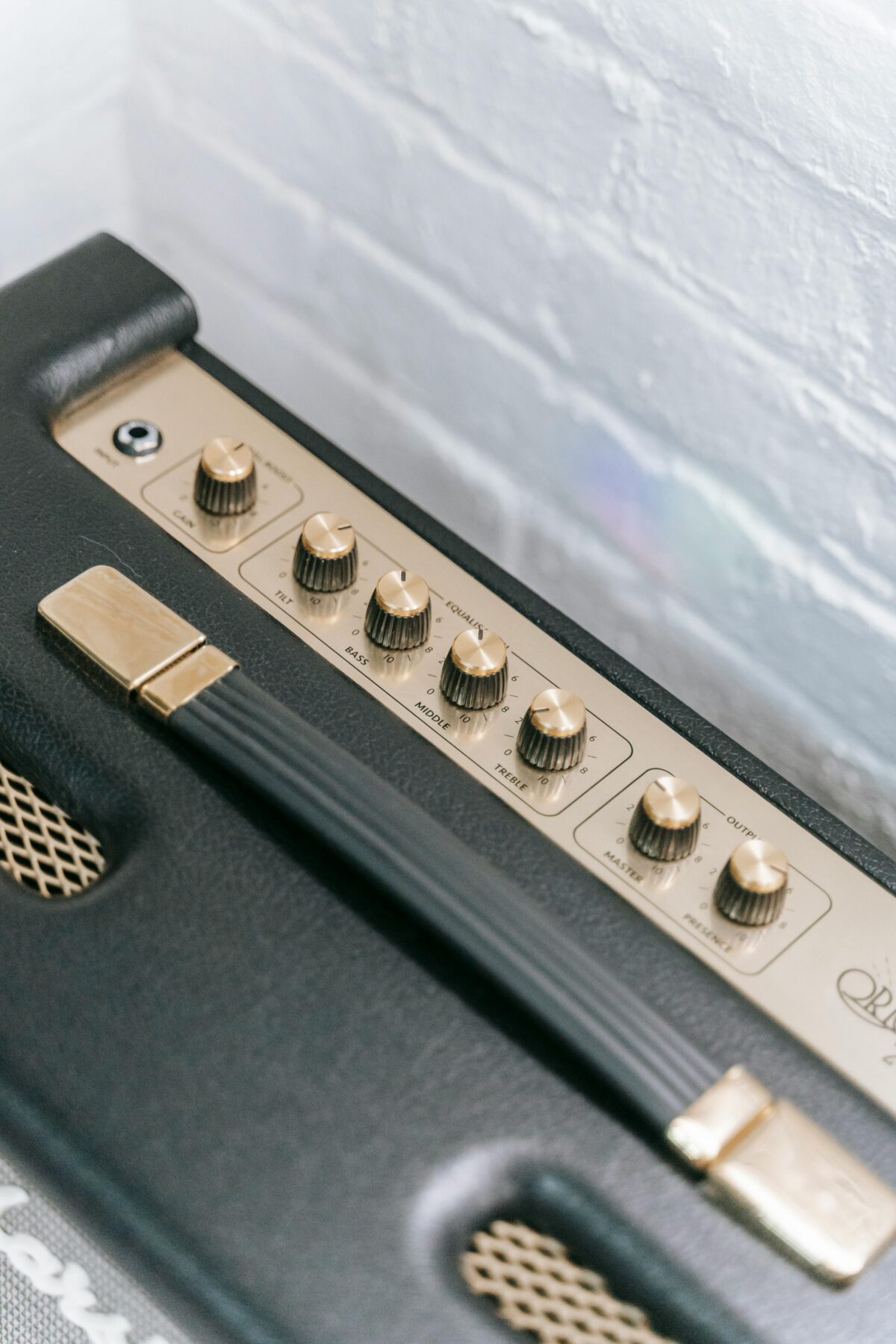
  • EQ Controls: Most amps have bass, mid, and treble knobs. These help you shape your sound to fit your guitar and playing environment.
  • Presence Control: Adjusts the brightness and clarity of your sound, handy for fine-tuning.
  • Aux Inputs and Headphone Jacks: Useful for practicing along with backing tracks or playing quietly at night.
  • Portability: If you’re on the move, look for lightweight amps with sturdy handles and durable construction.

4. Decide on the Right Size and Power

Amp size isn’t just about volume—it also affects your tone and how your guitar interacts with the amp.

  • Small Amps (1-15 watts): Great for home use, practice, and recording. They often sound great at lower volumes and are easy to carry.
  • Medium Amps (15-50 watts): Good for rehearsals, small gigs, and players who want a bit more headroom before the sound distorts.
  • Large Amps (50+ watts): Essential for big venues, loud bands, or if you need lots of clean volume. These amps are heavier and more expensive, but they deliver serious power.

Speaker size also matters. Smaller speakers (8-10 inches) give a brighter, more focused sound, while larger speakers (12 inches or more) produce fuller, bass-rich tones.


5. Set Your Budget

Amps come in all price ranges. Solid-state amps are generally more affordable, while tube amps and high-end modeling amps can be pricier. As a beginner, you don’t need to spend a fortune—there are excellent budget amps that sound great and offer plenty of features.

If you’re more advanced or want an amp that will last for years, investing in a higher-quality model can be worth it. Remember, the most expensive amp isn’t always the best for your needs.


6. Try Before You Buy

If possible, visit a music store and try out a few amps with your guitar. Listen for how the amp responds to your playing, how easy it is to use, and whether you like the sound. Don’t be afraid to ask questions or get advice from store staff or experienced friends.


7. Top Picks for Beginners and Beyond

Here are some amps that consistently get high marks for quality, value, and versatility:

  • Fender Champion II: Super versatile, easy to use, and packed with built-in effects. Available in different wattages to suit any situation. Great for beginners and intermediate players who want a reliable, all-purpose amp.
  • Vox Pathfinder 10: Simple, lightweight, and delivers classic Vox tones. Perfect for practice and learning, with just enough features to keep things interesting.
  • VISION 10W Electric Guitar Amplifier: Affordable, straightforward, and covers all the basics for new players.

These amps are known for their reliability, sound quality, and user-friendly controls. They’re a great starting point for most guitarists.


8. Common Mistakes to Avoid

  • Buying Too Much Amp: Don’t get a huge, high-wattage amp if you’re only playing at home. You’ll never get to turn it up, and it might sound worse at low volumes.
  • Ignoring Your Music Style: Make sure the amp can deliver the tones you want for your favorite genres.
  • Overlooking Features: Think about what you’ll actually use. If you love experimenting with sounds, modeling amps or amps with built-in effects are a good choice.
  • Forgetting Portability: If you’ll be carrying your amp around, choose something lightweight and durable.
  • Not Trying Before Buying: Sound and feel are personal—test amps in person if you can.

9. Quick Checklist: How to Choose Your Guitar Amp

  • Where will you be playing (home, rehearsal, gigs)?
  • What style of music do you play most?
  • Do you want clean tones, distortion, or both?
  • Do you need built-in effects?
  • How much can you carry (and store)?
  • What’s your budget?
  • Can you try it before you buy?

The Right Amp Inspires You to Play

The perfect amp is the one that makes you want to pick up your guitar and play every day. It should fit your space, match your style, and help you sound your best—without making things complicated. Whether you’re just starting out or leveling up your rig, keep your needs in mind, listen with your ears, and trust your instincts.

Remember, you can always upgrade or add pedals later. Start with an amp that feels right for you, and let your playing (and your ears) guide you as you grow as a guitarist.

Happy playing, and may your next amp bring you hours of musical joy!

How Many Speakers Can Be Connected to an Amplifier?

If you’ve ever wondered how many speakers you can connect to your amplifier, you’re not alone. Whether you’re setting up a home theater, hosting a party, or upgrading your audio system, understanding how to connect multiple speakers is essential. Let’s break it down in simple terms so you can make the right choices for your setup.


Understanding Amplifier and Speaker Compatibility

Before connecting multiple speakers, it’s crucial to understand the relationship between your amplifier and speakers. The key factors to consider are impedance and power ratings.


What Is Impedance?

Impedance is measured in ohms and represents the resistance a speaker gives to the electrical current from the amplifier. Most speakers have an impedance of 4, 6, or 8 ohms. Your amplifier will specify the range of impedance it can handle safely.

  • If the total impedance falls below the amplifier’s limit, it can overheat or shut down.
  • If the impedance is too high, the speakers may not get enough power for optimal performance.

Power Ratings Matter

The power rating of an amplifier (measured in watts) should match or exceed the combined power requirements of your connected speakers. Overloading your amplifier with more speakers than it can handle will compromise sound quality and could damage your equipment.


How Many Speakers Can You Safely Connect?

The number of speakers you can connect depends on how they are wired and your amplifier’s specifications. Let’s explore the common methods:

1. Series Wiring

In series wiring, you connect one speaker to the next in a daisy-chain fashion:

  • Positive terminal of the amplifier connects to the positive terminal of Speaker 1.
  • Negative terminal of Speaker 1 connects to the positive terminal of Speaker 2.
  • Repeat this pattern for additional speakers.

Key Points:

  • Total impedance increases because you add up each speaker’s impedance.
  • This method reduces power output but protects your amplifier from overloading.
  • Example: Two 8-ohm speakers wired in series result in a total impedance of 16 ohms.

2. Parallel Wiring

In parallel wiring, all positive terminals are connected together, and all negative terminals are connected together:

  • Positive terminals of all speakers connect to the positive terminal on the amplifier.
  • Negative terminals do the same.

Key Points:

  • Total impedance decreases because it’s calculated using a formula:
    Total Impedance=11R1+1R2+…Total Impedance=R11+R21+…1
    For example, two 8-ohm speakers in parallel result in a total impedance of 4 ohms.
  • Lower impedance puts more strain on your amplifier, so ensure it can handle the load.

3. Combination of Series and Parallel

This method combines both wiring techniques to balance impedance and allow more speakers to be connected without overloading the amplifier.

Key Points:

  • Ideal for setups requiring multiple speakers while maintaining safe impedance levels.
  • Often used in commercial or large-scale audio systems.

Using Speaker Selector Switches

If you’re looking for a hassle-free way to connect multiple speakers, consider using a speaker selector switch. These devices allow you to connect several speakers without worrying about complex wiring or impedance mismatches. Many models include built-in impedance protection, ensuring your amplifier operates safely.


Practical Examples

Let’s look at some common scenarios:

Small Home Setup (2–4 Speakers)

For most home stereo amplifiers:

  • You can safely connect two 8-ohm speakers in parallel or series.
  • If adding more than two speakers, use a combination wiring method or a selector switch.

Larger Systems (4+ Speakers)

For larger setups like home theaters or outdoor events:

  • Use amplifiers specifically designed for multi-speaker systems.
  • Consider distributed audio systems with impedance-matching volume controls for each speaker.

Commercial Installations

In commercial settings like restaurants or conference halls:

  • Use 70V/100V amplifiers designed for long cable runs and multiple speakers.
  • These systems simplify wiring and eliminate complex impedance calculations.

FAQs About Connecting Speakers

Can I Connect More Speakers Than My Amplifier Supports?

Technically yes, but it’s risky. Overloading an amplifier can lead to overheating, distortion, or permanent damage. Always check your amp’s specifications before adding extra speakers.

What Happens If Impedance Is Too Low?

Low impedance forces your amplifier to work harder than it’s designed for. This can cause overheating, shutdowns, or even component failure.

Will Adding More Speakers Make It Louder?

Not necessarily. Adding more speakers divides the available power among them, which might reduce overall volume unless your amplifier has enough power output.

Can I Use Different Types of Speakers Together?

Yes, but their impedances must be compatible with each other and with your amplifier. Mixing high and low impedance speakers requires careful wiring and planning.


Tips for Safe and Effective Connections

  1. Read Your Amplifier Manual: Always refer to manufacturer guidelines for supported speaker configurations.
  2. Use Proper Wiring: Invest in high-quality speaker wires and connectors for reliable performance.
  3. Test Before Cranking Up Volume: After connecting everything, test at low volume levels to ensure there’s no distortion or overheating.
  4. Consider Professional Help: If unsure about wiring multiple speakers, consult an audio technician.

Connecting multiple speakers to an amplifier doesn’t have to be complicated if you follow these guidelines. By understanding your equipment’s limitations and choosing the right wiring method, you’ll enjoy great sound without risking damage to your setup!

Which Class Amplifier is Best for Sound Quality?

When it comes to choosing an amplifier for sound quality, understanding the different classes of amplifiers is essential. Each class has unique characteristics that affect efficiency, audio fidelity, and overall performance. In this blog post, we’ll explore the most common amplifier classes—Class A, Class B, Class AB, and Class D—to help you decide which one is best for your needs.

Class A Amplifiers: The Gold Standard for Sound Quality

Class A amplifiers are widely regarded as the best option for pure sound quality. These amplifiers operate with a conduction angle of 360°, meaning the active components are always conducting current. This design ensures excellent linearity and minimal distortion.

Advantages of Class A Amplifiers:

  • Superior audio fidelity with no crossover distortion.
  • Ideal for applications requiring high precision, such as studio monitors or audiophile-grade systems.
  • Simple design with fewer components.

Disadvantages:

  • Extremely inefficient, with typical efficiency ranging from 15% to 35%.
  • Generates significant heat due to constant power consumption.
  • Bulky and expensive compared to other amplifier classes.

If you prioritize sound quality above all else and have the budget and space to accommodate it, Class A amplifiers are your best choice.

Class B Amplifiers: Efficiency Over Sound Quality

Class B amplifiers use a push-pull topology where each transistor conducts for half the signal waveform (180° conduction angle). This design improves efficiency but introduces crossover distortion at low signal levels.

Advantages of Class B Amplifiers:

  • High efficiency, typically around 70%.
  • Lightweight and cost-effective compared to Class A designs.

Disadvantages:

  • Significant crossover distortion affects audio fidelity.
  • Unsuitable for high-fidelity applications.

Class B amplifiers are better suited for applications where efficiency is more critical than sound quality, such as RF transmitters or public address systems.

Class AB Amplifiers: The Balanced Solution

Class AB amplifiers combine the strengths of Class A and Class B designs. They operate in Class A mode at low signal levels and switch to Class B mode at higher levels. This hybrid approach minimizes crossover distortion while improving efficiency.

Advantages of Class AB Amplifiers:

  • Excellent sound quality with low distortion.
  • Efficiency ranges from 50% to 70%, making them more practical than Class A amplifiers.
  • Affordable and widely available in consumer-grade audio systems.

Disadvantages:

  • Efficiency is lower than Class B or Class D amplifiers.
  • Slightly more complex circuitry compared to pure Class A designs.

Class AB amplifiers are the most popular choice for home audio systems due to their balance of sound quality and efficiency. They are ideal for music lovers who want great performance without breaking the bank.

Class D Amplifiers: Modern Efficiency Meets Improved Sound

Class D amplifiers operate by switching their output devices on and off rapidly, using pulse-width modulation (PWM) to replicate the input signal. While they were initially criticized for poor audio quality, advancements in technology have significantly improved their performance.

Advantages of Class D Amplifiers:

  • Extremely efficient, often exceeding 90%.
  • Compact size and lightweight design make them ideal for portable devices.
  • Modern designs offer comparable sound quality to Class AB amplifiers.

Disadvantages:

  • Historically had lower audio fidelity compared to other classes.
  • May introduce high-frequency noise due to switching operations.

Class D amplifiers are perfect for applications where space and energy efficiency are critical, such as car audio systems or portable speakers. If you need a lightweight amplifier with decent sound quality, this class is worth considering.

Which Amplifier Class Should You Choose?

The best amplifier class depends on your specific needs:

Amplifier ClassBest ForWhy Choose It?
Class AAudiophiles seeking ultimate sound qualityOffers unmatched fidelity but requires space and cooling solutions.
Class BHigh-efficiency applicationsSuitable when sound quality is not the primary concern.
Class ABEveryday home audio systemsBalances sound quality and efficiency at an affordable price.
Class DPortable or space-constrained setupsCombines high efficiency with improved sound performance.

For most users looking for great sound quality without excessive costs or inefficiencies, Class AB amplifiers strike the perfect balance. However, if you’re an audiophile willing to invest in top-tier equipment, Class A amplifiers will deliver unparalleled audio fidelity.

Choosing the Right Amplifier Class

Choosing the right amplifier class boils down to your priorities—whether it’s pure sound quality, energy efficiency, affordability, or portability. By understanding the strengths and weaknesses of each class, you can make an informed decision that suits your listening preferences and setup requirements. Whether you’re building a high-end home theater system or upgrading your car audio setup, there’s an amplifier class tailored just for you!

What Ohm is Best for a Guitar Amp?

When it comes to guitar amps, the ohm rating plays a crucial role in determining sound quality, safety, and overall performance. But with options like 4, 8, or 16 ohms available, which is the best choice? Let’s break it down in simple terms so you can make the right decision for your gear.


What Are Ohms and Why Do They Matter?

Ohms measure electrical resistance, which determines how much power flows from your amp to your speakers. The ohm rating of your amp and speaker must be compatible to ensure optimal performance and avoid damage. If the ratings don’t match, you risk poor sound quality or even frying your equipment.

Here’s the golden rule: Always match the amp’s ohm setting to the speaker’s ohm rating or use a lower amp setting than the speaker’s rating. For example:

  • If your speaker is rated at 8 ohms, set your amp to 8 ohms.
  • If your speaker is rated at 16 ohms, you can safely set your amp to 16 or 8 ohms but not lower.

Which Ohm Setting Should You Use?

The best ohm setting for your guitar amp depends on your specific setup. Most amps are designed to work with 4, 8, or 16-ohm speakers, but each setting has its advantages:

1. 4 Ohms

  • Pros: Delivers maximum power output from the amp, making it louder. Ideal for high-energy gigs where volume is key.
  • Cons: Puts more strain on the amp, which could lead to overheating if not properly managed.

2. 8 Ohms

  • Pros: A balanced option that offers great sound quality and moderate power output. It’s a popular choice for most setups.
  • Cons: Slightly less loud compared to 4 ohms but still powerful enough for most situations.

3. 16 Ohms

  • Pros: Provides more headroom and a cleaner tone at higher volumes. It’s often preferred for studio recording or vintage-style tones.
  • Cons: Requires more energy from the amp, which might limit overall volume compared to lower settings.

How Does Wiring Affect Ohms?

If you’re using multiple speakers, their wiring configuration—series or parallel—affects the total ohm load. Here’s how it works:

Series Wiring

  • Add up the individual speaker ohm ratings.
  • Example: Two 8-ohm speakers wired in series equal a total of 16 ohms.
  • Best For: High headroom and cleaner tones.

Parallel Wiring

  • Divide the individual speaker ohm rating by the number of speakers.
  • Example: Two 8-ohm speakers wired in parallel equal a total of 4 ohms.
  • Best For: Maximum power and volume.

Matching Your Amp and Speaker

To get the best results:

  1. Check your amp’s manual for its supported ohm ratings.
  2. Match the speaker’s impedance (ohm rating) with one of the amp’s settings.
  3. Avoid mismatches—never set your amp to a higher ohm rating than your speaker.

For instance:

  • If you have an 8-ohm speaker, set your amp to 8 ohms.
  • If you have two 8-ohm speakers wired in parallel (totaling 4 ohms), set your amp to 4 ohms.

Does Ohm Rating Affect Tone?

Yes! The ohm setting can subtly influence your tone:

  • Lower settings (e.g., 4 ohms) tend to produce a louder and punchier sound.
  • Higher settings (e.g., 16 ohms) often result in warmer tones with more clarity.

However, these differences are minor compared to other factors like speaker type and cabinet design. Experiment with different settings if possible to find what sounds best to you.


Common Questions About Guitar Amp Ohms

Can I Use a Speaker With a Different Ohm Rating?

It’s possible but not recommended unless you know what you’re doing. For example:

  • A lower speaker impedance (e.g., using a 4-ohm speaker with an 8-ohm amp setting) can overload your amp and damage it.
  • A higher speaker impedance (e.g., using an 8-ohm speaker with a 4-ohm amp setting) is generally safe but may reduce volume and tone quality.

What Happens If I Mismatch Ohms?

Mismatch risks include:

  • Reduced sound quality or volume.
  • Overheating or damaging your amp or speakers.

Always aim for compatibility between your amp and speakers.

Does Higher Impedance Mean Better Sound?

Not necessarily—it depends on personal preference and setup:

  • Lower impedance (e.g., 4 ohms) delivers louder output but may sacrifice some tonal clarity.
  • Higher impedance (e.g., 16 ohms) can offer cleaner tones with more headroom.

Choosing the Best Ohm Setting

The “best” ohm setting for a guitar amp depends on what you’re looking for:

  • For maximum volume: Go with a lower setting like 4 ohms.
  • For balanced performance: Stick with 8 ohms.
  • For cleaner tones and headroom: Opt for 16 ohms.

Ultimately, matching your gear correctly is key to getting great sound without risking damage. Take time to understand your setup, experiment with different settings, and enjoy rocking out!

How to Choose the Right Speakers for Your Amplifier

When assembling an audio system, one of the most critical decisions is pairing the right speakers with your amplifier. A harmonious match can make all the difference in achieving the best possible sound quality. Whether you’re setting up a home theater, enhancing your music room, or creating a professional sound system, choosing the right speakers for your amplifier involves careful consideration of various technical and aesthetic factors.

Understanding Key Audio Terminologies

Before diving into how to choose the right speakers, it’s essential to familiarize yourself with some audio concepts that will help in making an informed decision.

1. Impedance

Impedance, measured in ohms (Ω), is a fundamental aspect of audio compatibility. It reflects the electrical resistance that the speaker presents to the amplifier. Most home audio speakers have an impedance rating of 4, 6, or 8 ohms.

  • Matching Impedance: It is crucial to match the speaker’s impedance to the amplifier’s capabilities. An amplifier designed for an 8-ohm load may struggle with a 4-ohm speaker, potentially overheating or even getting damaged.

2. Power Handling

Power handling refers to the amount of power (in watts) a speaker can handle from an amplifier without damage. It includes two metrics:

  • RMS (Root Mean Square): Represents continuous power handling capacity.
  • Peak Power: The maximum power a speaker can handle in short bursts.
  • An amplifier with a power output within the speaker’s RMS range is ideal for balanced performance.

Factors to Consider When Choosing Speakers for Your Amplifier

1. Power Compatibility

The first step is ensuring that the amplifier’s power output matches the speakers’ power handling. Look for:

  • Output Power Rating: Check that the amplifier’s RMS power output falls within the speaker’s RMS power handling range.
  • Avoiding Over-Powering: Pairing a high-power amplifier with speakers that can’t handle its output may result in distortion or speaker damage.

    2. Sensitivity Rating

    Sensitivity, measured in decibels (dB), indicates how loud a speaker will be when fed a certain amount of power. A speaker with a higher sensitivity rating (e.g., 90 dB or more) will produce more sound with less power compared to a speaker with a lower rating (e.g., 85 dB).

    • High Sensitivity = Less Power Required: For amplifiers with lower power output, choosing high-sensitivity speakers ensures a louder sound without overworking the system.

    3. Impedance Matching

    The impedance of the speaker should be compatible with the amplifier’s rated load. Mismatched impedance can lead to overheating and inefficient power transfer.

    • Amplifier Specifications: Most amplifiers can handle an 8-ohm load, but if your amplifier is capable of driving a 4-ohm load, it opens up more options for speaker selection.

    Types of Speaker Configurations

    1. Bookshelf Speakers

    Compact and suitable for smaller rooms, bookshelf speakers provide a balanced sound and are easy to position.

    • When to Use: Ideal for setups where space is limited, but you want quality sound.
    • Power & Impedance: Typically compatible with a wide range of amplifiers; just ensure your amplifier’s output power aligns with the speaker’s rating.

    2. Floorstanding Speakers

    Larger and capable of producing more robust bass and a fuller soundstage, floorstanding speakers are perfect for spacious rooms.

    • Power Requirements: Often need amplifiers with more power due to their larger drivers.
    • Sound Quality: They can handle more complex sound with greater depth, making them suitable for home theaters or expansive music systems.

    3. Surround Sound Speakers

    Used in home theater systems, surround sound speakers provide immersive audio experiences.

    • Multi-Channel Amplifiers: Ensure your amplifier supports the number of channels needed for the speakers.
    • Power Distribution: Check that your amplifier can adequately drive all the speakers without distortion.

    Key Tips for Pairing Speakers and Amplifiers

    1. Check Manufacturer Recommendations

    Manufacturers often list compatible power ranges and impedance for speakers. Refer to these guidelines to match your amplifier accurately.

    2. Test with Your Favorite Music

    If possible, listen to your potential speaker-amplifier combo with music you’re familiar with. This helps gauge the actual sound quality and tonal characteristics.

    3. Consider the Room Size

    The room’s size and acoustics greatly affect sound output. Larger rooms may require more powerful amplifiers and larger speakers to fill the space with sound, while smaller rooms may benefit from more compact setups.

      Common Mistakes to Avoid

      1. Ignoring Impedance Ratings

      Overlooking impedance can lead to inefficient power use or damage. Always verify that your amplifier can handle the impedance of your chosen speakers.

      2. Overlooking Room Acoustics

      Room size, layout, and furniture placement impact how sound waves travel. Factor in acoustic treatments or placements to enhance sound clarity.

      3. Focusing Only on Power

      While power output is essential, ignoring sensitivity and other technical specs can lead to an underwhelming sound experience. Ensure a well-rounded consideration of all factors.


        FAQs: Choosing the Right Speakers for Your Amplifier

        What happens if I use speakers with a higher impedance than my amplifier’s rating?

        Using higher-impedance speakers can result in reduced power delivery, which may lead to lower volume and potential performance inefficiencies.

        Can I use different brands for my amplifier and speakers?

        Yes, as long as their specifications match. Ensure they complement each other in terms of impedance, power handling, and sensitivity.

        How important is speaker placement?

        Very. Placement affects the soundstage and overall audio quality. Experiment with speaker positioning to find the optimal spot in your room.

        What’s the difference between RMS and peak power?

        RMS represents continuous power handling, while peak power is the maximum a speaker can handle for short bursts. RMS is the more critical figure for matching an amplifier.

        Do high-wattage speakers always sound better?

        Not necessarily. Other factors like sensitivity, build quality, and driver design play significant roles in sound quality.

        How do I avoid distortion in my audio setup?

        Ensure that your amplifier’s power output is sufficient for your speakers, and avoid playing audio at maximum volume for prolonged periods.


        Choosing the right speakers for your amplifier doesn’t have to be daunting. By understanding power handling, impedance, and sensitivity, you can make informed decisions that elevate your audio experience. Take into account your room’s size, test equipment when possible, and avoid common pitfalls to create an audio setup that brings your favorite sounds to life.