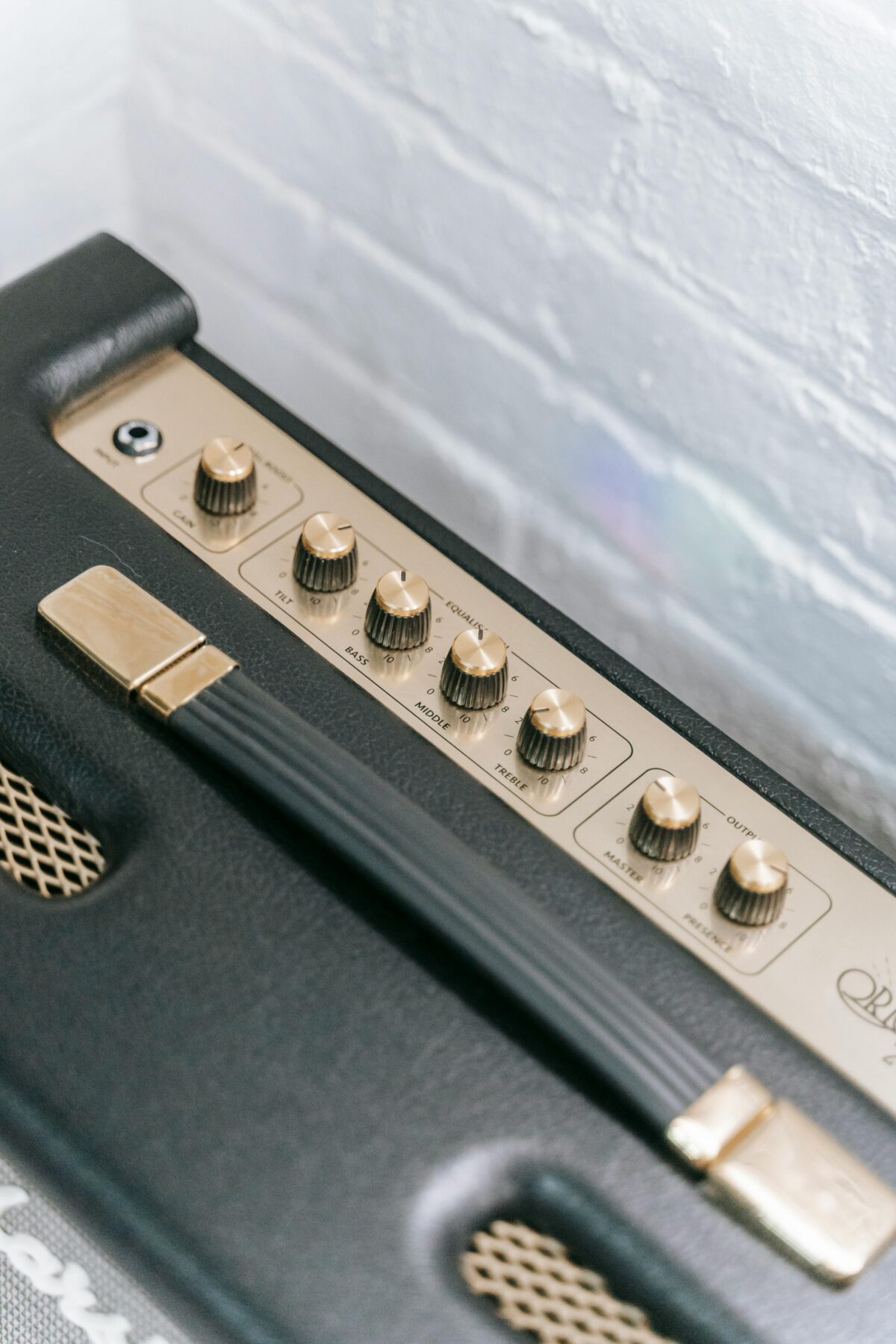
If you’ve ever wondered how many speakers you can connect to your amplifier, you’re not alone. Whether you’re setting up a home theater, hosting a party, or upgrading your audio system, understanding how to connect multiple speakers is essential. Let’s break it down in simple terms so you can make the right choices for your setup.
Understanding Amplifier and Speaker Compatibility
Before connecting multiple speakers, it’s crucial to understand the relationship between your amplifier and speakers. The key factors to consider are impedance and power ratings.
What Is Impedance?
Impedance is measured in ohms and represents the resistance a speaker gives to the electrical current from the amplifier. Most speakers have an impedance of 4, 6, or 8 ohms. Your amplifier will specify the range of impedance it can handle safely.
- If the total impedance falls below the amplifier’s limit, it can overheat or shut down.
- If the impedance is too high, the speakers may not get enough power for optimal performance.
Power Ratings Matter
The power rating of an amplifier (measured in watts) should match or exceed the combined power requirements of your connected speakers. Overloading your amplifier with more speakers than it can handle will compromise sound quality and could damage your equipment.
How Many Speakers Can You Safely Connect?
The number of speakers you can connect depends on how they are wired and your amplifier’s specifications. Let’s explore the common methods:
1. Series Wiring
In series wiring, you connect one speaker to the next in a daisy-chain fashion:
- Positive terminal of the amplifier connects to the positive terminal of Speaker 1.
- Negative terminal of Speaker 1 connects to the positive terminal of Speaker 2.
- Repeat this pattern for additional speakers.
Key Points:
- Total impedance increases because you add up each speaker’s impedance.
- This method reduces power output but protects your amplifier from overloading.
- Example: Two 8-ohm speakers wired in series result in a total impedance of 16 ohms.
2. Parallel Wiring
In parallel wiring, all positive terminals are connected together, and all negative terminals are connected together:
- Positive terminals of all speakers connect to the positive terminal on the amplifier.
- Negative terminals do the same.
Key Points:
- Total impedance decreases because it’s calculated using a formula:
Total Impedance=11R1+1R2+…Total Impedance=R11+R21+…1
For example, two 8-ohm speakers in parallel result in a total impedance of 4 ohms. - Lower impedance puts more strain on your amplifier, so ensure it can handle the load.
3. Combination of Series and Parallel
This method combines both wiring techniques to balance impedance and allow more speakers to be connected without overloading the amplifier.
Key Points:
- Ideal for setups requiring multiple speakers while maintaining safe impedance levels.
- Often used in commercial or large-scale audio systems.
Using Speaker Selector Switches
If you’re looking for a hassle-free way to connect multiple speakers, consider using a speaker selector switch. These devices allow you to connect several speakers without worrying about complex wiring or impedance mismatches. Many models include built-in impedance protection, ensuring your amplifier operates safely.
Practical Examples
Let’s look at some common scenarios:
Small Home Setup (2–4 Speakers)
For most home stereo amplifiers:
- You can safely connect two 8-ohm speakers in parallel or series.
- If adding more than two speakers, use a combination wiring method or a selector switch.
Larger Systems (4+ Speakers)
For larger setups like home theaters or outdoor events:
- Use amplifiers specifically designed for multi-speaker systems.
- Consider distributed audio systems with impedance-matching volume controls for each speaker.
Commercial Installations
In commercial settings like restaurants or conference halls:
- Use 70V/100V amplifiers designed for long cable runs and multiple speakers.
- These systems simplify wiring and eliminate complex impedance calculations.
FAQs About Connecting Speakers
Can I Connect More Speakers Than My Amplifier Supports?
Technically yes, but it’s risky. Overloading an amplifier can lead to overheating, distortion, or permanent damage. Always check your amp’s specifications before adding extra speakers.
What Happens If Impedance Is Too Low?
Low impedance forces your amplifier to work harder than it’s designed for. This can cause overheating, shutdowns, or even component failure.
Will Adding More Speakers Make It Louder?
Not necessarily. Adding more speakers divides the available power among them, which might reduce overall volume unless your amplifier has enough power output.
Can I Use Different Types of Speakers Together?
Yes, but their impedances must be compatible with each other and with your amplifier. Mixing high and low impedance speakers requires careful wiring and planning.
Tips for Safe and Effective Connections
- Read Your Amplifier Manual: Always refer to manufacturer guidelines for supported speaker configurations.
- Use Proper Wiring: Invest in high-quality speaker wires and connectors for reliable performance.
- Test Before Cranking Up Volume: After connecting everything, test at low volume levels to ensure there’s no distortion or overheating.
- Consider Professional Help: If unsure about wiring multiple speakers, consult an audio technician.
Connecting multiple speakers to an amplifier doesn’t have to be complicated if you follow these guidelines. By understanding your equipment’s limitations and choosing the right wiring method, you’ll enjoy great sound without risking damage to your setup!