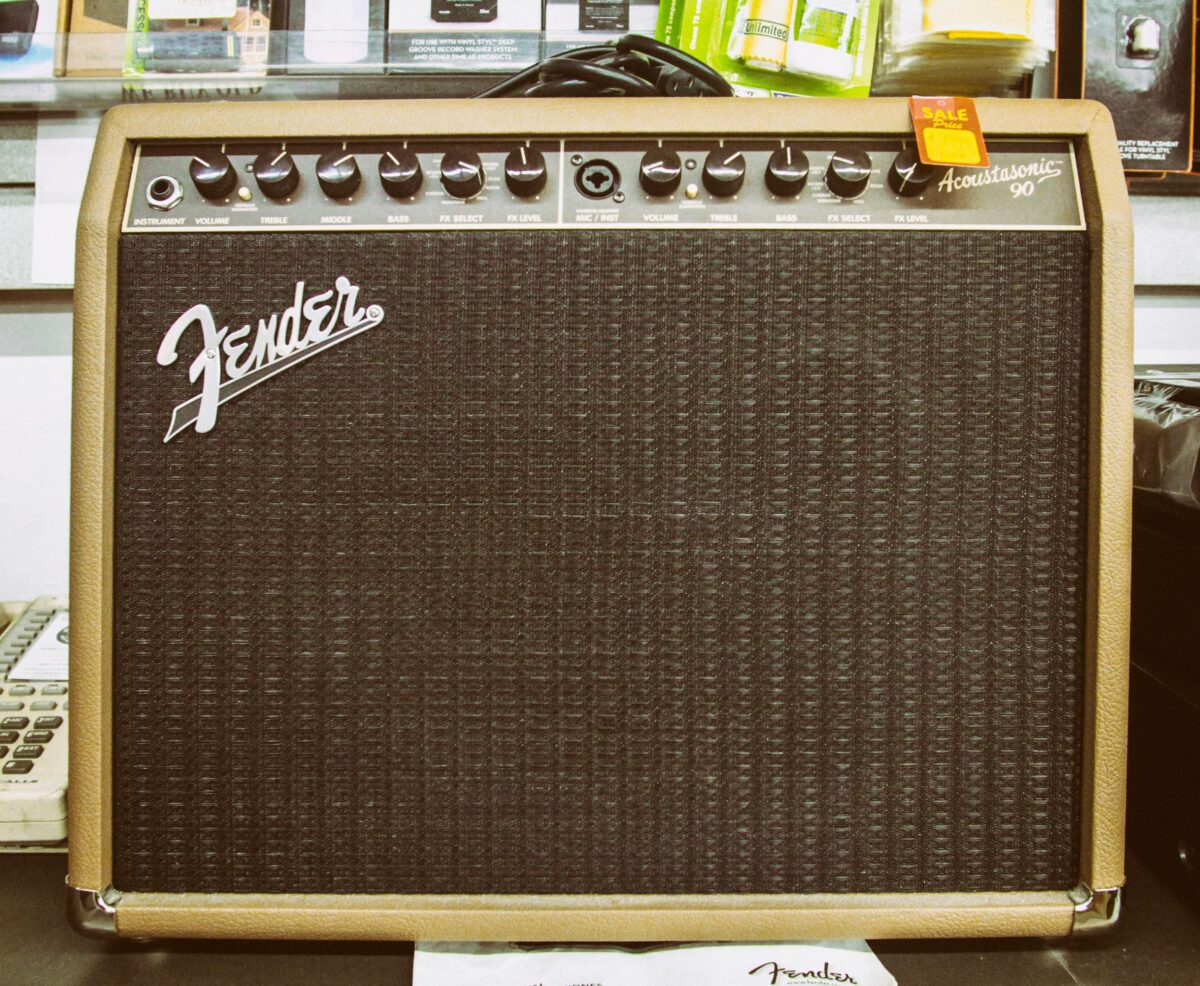
Amplifiers are the backbone of any audio system, whether for home entertainment, professional sound setups, or musical instruments. They boost weak audio signals to drive speakers or headphones effectively. However, like any electronic device, amplifiers are prone to failures. If you’ve ever wondered what the most common amplifier failure is and how to address it, you’re in the right place. Let’s break it down in simple terms.
The #1 Culprit: Blown Output Transistors
The most common amplifier failure is blown output transistors. These components are critical in amplifiers as they handle the power delivery to your speakers. When they fail, the amplifier may stop producing sound entirely or distort it beyond recognition.
What Causes Output Transistors to Fail?
- Improper Speaker Loads: Connecting speakers with incorrect impedance can overload the amplifier, causing transistors to overheat and fail3.
- Overheating: Amplifiers generate heat during operation, and inadequate cooling can cause transistors to burn out over time.
- Short Circuits: Faulty wiring or accidental shorts in the speaker cables can send a damaging surge of current through the transistors.
How to Prevent This Issue
- Always match your speaker’s impedance with what your amplifier supports.
- Ensure proper ventilation around your amplifier to prevent overheating.
- Regularly inspect cables for wear and tear to avoid short circuits.
Other Common Amplifier Failures
While blown output transistors top the list, there are other frequent issues that can plague amplifiers.
1. Loose or Damaged Connections
Loose RCA cables or speaker wires can result in intermittent sound or complete silence. Over time, frequent plugging and unplugging can wear out connectors.
How to Fix It:
- Inspect all cables for visible damage or loose connectors.
- Replace worn-out cables and ensure all connections are secure.
2. Blown Fuses
Amplifiers often include fuses as a safety measure. A blown fuse will prevent the amplifier from powering on altogether.
How to Fix It:
- Check the fuse located near the power supply.
- Replace it with one of the same type and rating if it’s blown.
3. Overheating Issues
Heat is a silent killer for amplifiers. Poor ventilation or blocked cooling fans can cause components like transistors and capacitors to fail prematurely.
How to Fix It:
- Keep your amplifier in a well-ventilated area.
- Regularly clean dust from vents and fans.
4. Faulty Capacitors
Capacitors store and release energy within the amplifier circuit. Over time, they can degrade, leading to distorted sound or no sound at all.
Signs of Failing Capacitors:
- Popping or crackling sounds.
- Reduced bass response.
How to Fix It:
- Open the amplifier casing and inspect for bulging or leaking capacitors.
- Replace any damaged capacitors with identical ones.
5. Signal Interference
Interference from nearby electronics like smartphones or Wi-Fi routers can disrupt an amplifier’s performance, especially if it uses unshielded cables.
How to Fix It:
- Use shielded RCA cables to minimize interference.
- Move electronic devices away from your amplifier setup.
Diagnosing Amplifier Failures
If your amplifier isn’t functioning as expected, here’s a quick checklist:
- Check Power: Ensure the amplifier is receiving power by looking at indicator lights.
- Inspect Cables: Verify that all input and output connections are secure and undamaged.
- Test Components: Use a multimeter to test fuses, resistors, and transistors for continuity.
- Listen for Clues: Strange noises like hums, pops, or silence could point you toward specific problems.
When Should You Seek Professional Help?
While some issues like replacing fuses or cables are DIY-friendly, others require technical expertise:
- If you suspect blown transistors or capacitors but lack experience with soldering.
- If troubleshooting doesn’t resolve the issue after basic checks.
Professional repair services can save you time and prevent further damage.
The most common amplifier failure is blown output transistors, often caused by improper speaker loads or overheating. However, other issues like loose connections, blown fuses, faulty capacitors, and signal interference are also frequent culprits. By understanding these common failures and their fixes, you can keep your amplifier running smoothly for years.
Remember—regular maintenance is key! Keep your amp cool, check connections often, and always use compatible equipment. If all else fails, don’t hesitate to consult a professional repair technician. After all, a well-functioning amplifier is essential for enjoying crystal-clear sound!